Ile de Re Travel Guide: Cycling, Beaches and the Bridge from La Rochelle

TL;DR
Ile de Re is a flat Atlantic island off La Rochelle, France. This guide covers the 2.9 km bridge and its toll, the cycle paths, the villages, and a 40 km day loop.
Table of Contents
Ile de Re: the short version
Ile de Re is a flat island off the Atlantic coast of France, just across a bridge from La Rochelle. Whitewashed villages, salt marshes, oyster beds, and sandy beaches run along its 30 km length. The island gets about 2,600 hours of sunshine a year, close to Corsica, and the season runs long. Most visitors arrive by car or by bike, then spend their days cycling between villages that sit a few kilometres apart.
This guide covers the bridge toll, the cycle paths, the villages worth your time, and a 40 km day loop you can ride without a car. Every price below comes from a named source, checked in November 2026. Tolls change with the season, so confirm the current rate before you travel.
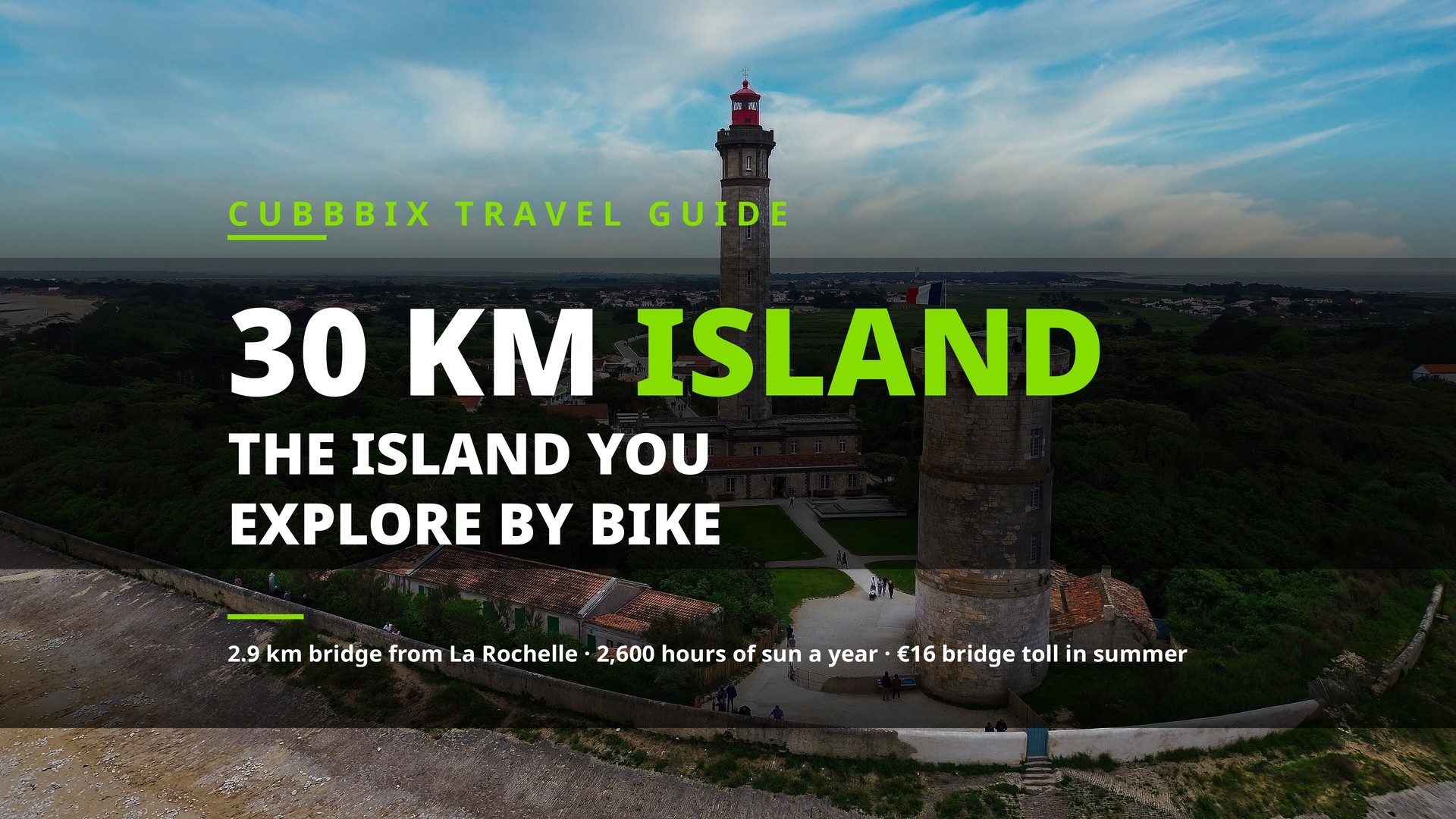
Figure 1: The Phare des Baleines lighthouse at the western tip of Ile de Re. The cover photo shows the lighthouse and the old tower from the air.
Getting there: the bridge, the train, and the plane
The Pont de l'Ile de Re is a 2.9 km bridge from the edge of La Rochelle, open since 1988. Cars pay an ecotaxe at the mainland toll plaza. The toll is about 16 euros return in high season, from mid-June to mid-September, about 8 euros in the shoulder months, and about 4 euros in winter. You pay on the way to the island only. Bikes and pedestrians cross free on dedicated lanes.
By train, the TGV runs from Paris Montparnasse to La Rochelle in about 3 hours, with several departures a day. From the station, regional buses run to the island villages, and taxis take about 15 minutes to the bridge. La Rochelle-Ile de Re airport sits minutes from the bridge and takes flights from French cities and London. In summer, boats also run from La Rochelle harbour to Saint-Martin-de-Re, and you can bring a bike on board.
Cycling is how the island works
Ile de Re has more than 100 km of flat, marked cycle paths. They link every village through pine woods, salt marshes, and vineyards, and they stay away from the main road for most of their length. Bike hire shops sit in every village, and most hotels lend bikes or point you to the nearest shop. In July and August the village centres jam with cars while the cycle paths stay clear, so the bike wins in high season too.
The paths are flat enough for children and for riders who have not cycled in years. Carry water and sun cream. The wind off the Atlantic is the one thing that can turn an easy ride into hard work, and it picks up most afternoons. Ride out in the morning and let the wind push you home.
What to see
- Saint-Martin-de-Re: the island capital, with a harbour full of boats, white houses with green shutters, and a citadel and ramparts you can walk. The old port is the best place for an evening meal.
- Phare des Baleines: the lighthouse at the western tip, above the beach at Saint-Clement-des-Baleines. The climb gives the best view on the island, across the salt marshes and the ocean.
- Ars-en-Re: a village of white lanes and hollyhocks, with a church spire painted black and white that sailors once used to find their way home.
- Les Portes-en-Re: the quiet northern end, with long beaches, pine woods, and the bird reserve at Lilleau des Niges, where waders feed in the marshes.
- La Flotte and Rivedoux-Plage: the two villages closest to the bridge, with markets, oyster huts, and the first beaches most visitors reach.
- The salt marshes: still worked by hand. You can buy fleur de sel from the producers, and several farms run short tours in summer.
A 40 km day loop you can ride
Start at La Couarde-sur-Mer, ride north to Ars-en-Re, then on to Les Portes-en-Re and the Phare des Baleines lighthouse. Return along the coast through Saint-Clement-des-Baleines and back to La Couarde. The loop is about 40 km on flat paths, and most riders finish it in 3 to 4 hours with stops. Add an hour if you climb the lighthouse and eat lunch at Les Portes. The only climb on the whole island is the lighthouse stairs.
Cost for the day: bike hire is the main cost, and the bridge toll is 16 euros return in summer if you bring a car. Lunch in a harbour restaurant runs about 15 to 25 euros for a main course. The beaches, the paths, and the villages cost nothing.
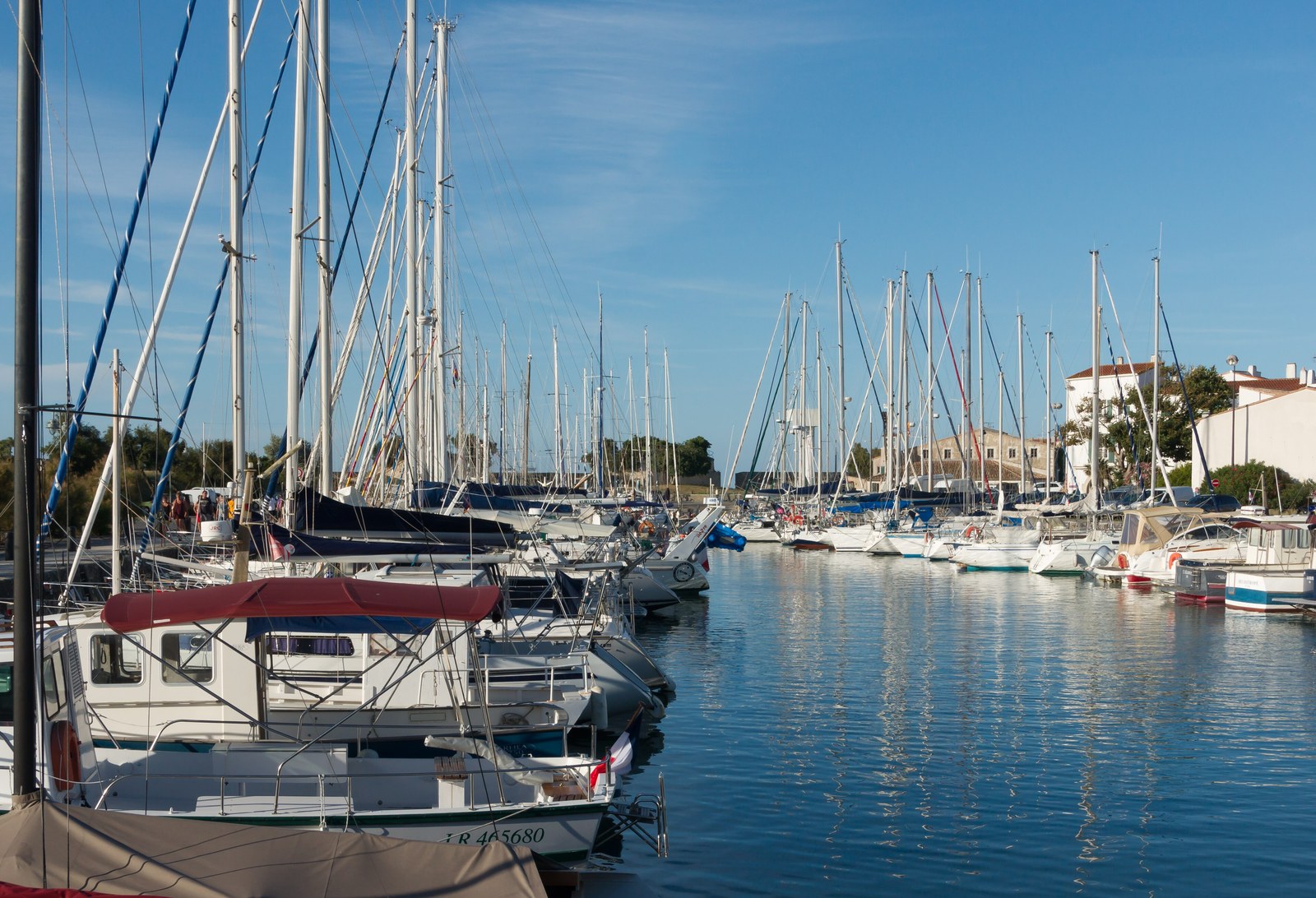
Figure 2: The old harbour at Saint-Martin-de-Re, the island capital and the best base for a first visit.
Best time to visit
June and September are the sweet spot. The sea is warm, the restaurants are open, the cycle paths are quiet, and the bridge toll drops to the shoulder rate. May and early October are good too, with lower prices and fewer people. July and August bring the crowds and the highest prices, and accommodation books out early. For surfers and kitesurfers, autumn brings steadier wind and better swell, and the beaches go back to the locals.
What it costs
- Bridge toll: about 16 euros return for a car in high season, about 8 euros in the shoulder months, about 4 euros in winter. Free for bikes and pedestrians.
- Bike hire: check with the hire shop in your village. Daily hire is the standard way to get around, and most shops rent by the day or the week.
- Food: a main course in a harbour restaurant is about 15 to 25 euros. Oysters from a hut cost far less, and the village markets sell bread, cheese, and fish for picnics.
- Staying over: July and August are the most expensive months. May, June, September, and early October cost less for the same room.
Sources: Ultimate France Ile de Re guide for the 2.9 km bridge, the 16 euro summer toll, 138 km of cycle paths, and 2,600 hours of sunshine a year; Luxury Columnist for the 1988 bridge opening and the May to October season; Camping Spirit for the 40 km day loop from La Couarde-sur-Mer. Tolls and timetables change. Check the official Ile de Re tourist site before you travel.
Frequently asked questions
How do I get to Ile de Re from La Rochelle?
Drive over the 2.9 km bridge, take a regional bus, or ride a bike. The TGV from Paris reaches La Rochelle in about 3 hours. The bridge toll is about 16 euros return for a car in summer, and free for bikes and pedestrians.
Do I need a car on Ile de Re?
No. The island is flat and has more than 100 km of cycle paths linking every village. A bike is faster than a car in the village centres in July and August.
When is the best time to visit Ile de Re?
June and September. The weather is warm, the sea is warm enough to swim, and the crowds and the bridge toll are lower than in July and August.
What is the Phare des Baleines?
The lighthouse at the western tip of the island, above Saint-Clement-des-Baleines. The climb gives the best view on Ile de Re, across the salt marshes and the Atlantic.
Can I visit Ile de Re in winter?
Yes. The island stays open all year, the bridge toll drops to about 4 euros, and the villages are quiet. Some restaurants and hire shops close from mid-October to mid-April.
More from the Blog
Limone sul Garda Guide: Lemon Houses, the Lake Cycle Path and the Best Time to Go
Zhangjiajie National Forest Park Guide: Tickets, Routes and the Avatar Mountains
Cheapest Way to Liquidate a Company in the UK: Strike-Off vs MVL vs CVL
3 Types of Bankruptcies in the UK: Bankruptcy, DRO and IVA Explained



Was this article helpful?
Comments
Loading comments...