Villefranche-sur-Mer Guide: the 7-Minute Train Trip from Nice


TL;DR
Villefranche-sur-Mer is a fishing village in a deep bay 10 km from Nice. This guide covers the 7-minute train, the old town, the citadel, and the beach.
Table of Contents
Villefranche-sur-Mer: the short version
Villefranche-sur-Mer is the easiest day trip on the French Riviera. It sits in one of the most beautiful natural harbours in the Mediterranean, 10 km from Nice, and the train takes 7 minutes. The old town tumbles down to the sea in stepped lanes and vaulted passages, the harbour is lined with fishing boats and seafood restaurants, and the main beach is sandier and gentler than the pebble beaches of Nice.
The town is small, and that is the point. You do not need a car, you do not need a plan, and half a day is enough for the main sights. This guide gives the train, the walk, the sights, and a half-day plan that works.
Figure 1: The old town of Villefranche-sur-Mer, with orange roofs, palms, and the bay behind. The cover photo shows the town from the hill above the harbour.
Getting there from Nice
Take the regional train from Nice. The trip takes 7 minutes, and the station sits above Plage des Marinieres, about 500 m from the old town. Trains are frequent, and the coastal railway links Cannes, Antibes, Nice, Villefranche-sur-Mer, Beaulieu, Eze, Monaco, and Menton, then continues to Ventimiglia in Italy.
The bus from Nice takes about 15 minutes, and the car about 20 minutes, but parking is scarce and expensive in summer. Take the train rather than the car. From Nice airport, the train or a taxi gets you to Nice station first, then the 7-minute hop to Villefranche.
What to see
- The old town: pastel facades, steep lanes, stairways, and little squares running down to the harbour. The covered Rue Obscure is a vaulted street under the houses, and one of the town's best-known sights.
- Citadel Saint-Elme: the 16th-century fortress above the bay. It houses museums and gardens, and the Theatre de Verdure garden has bay views.
- Chapelle Saint-Pierre: the Cocteau Chapel on the harbour, decorated with murals by Jean Cocteau. Entry costs 4 euros and is free for children under 15, as of March 2026.
- La Darse: the old harbour basin, with boatyards and quiet corners away from the main quay.
- Plage des Marinieres: the main beach, a long strip of sand and fine pebbles with a gentle entry into the sheltered bay. It is more comfortable for young children than the beaches of Nice.
- Eglise Saint-Michel: the baroque church in the old town, with a bell tower you can see from the bay.
The coastal walk from Nice
If you like walking, arrive on foot. The coastal path from Nice, part of the Sentier du Littoral network, follows the shoreline around Cap de Nice and Mont Boron, with sea views and rocky coves. The full walk from Port Lympia in Nice takes about 1.5 to 2 hours. Walk to Villefranche, explore the town, and take the train or bus back to Nice.
A half-day plan
Take an early train from Nice and arrive before the tour groups. Start with a coffee at a harbour cafe, then walk the old town lanes and the Rue Obscure. Step into the Chapelle Saint-Pierre, then climb to the Citadel Saint-Elme and the gardens. Come back down to the harbour for lunch, then spend the afternoon on Plage des Marinieres. Take the train back to Nice in the late afternoon.
The plan costs little: the train, 4 euros for the chapel, and lunch. The old town, the beach, and the harbour cost nothing. If you want a full day, add the coastal walk to Cap Ferrat or combine Villefranche with Eze or the Villa Ephrussi de Rothschild in Saint-Jean-Cap-Ferrat.
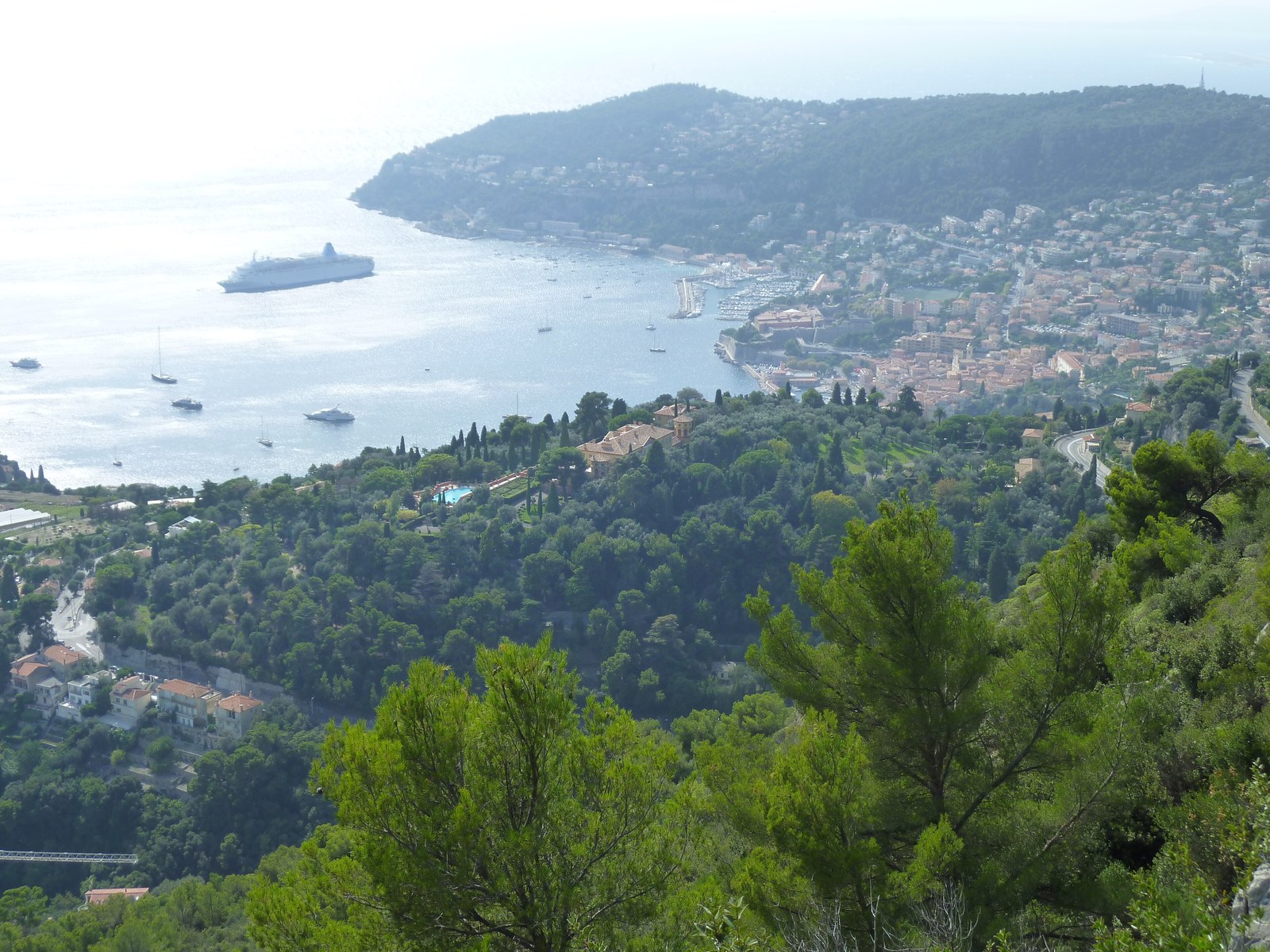
Figure 2: The bay of Villefranche-sur-Mer from above, with the harbour and the old town along the shore.
Best time to visit
Spring, April to June, and autumn, September to October, are the best months. The weather is warm, the crowds are smaller, and the beach is still good. Summer, July and August, brings the best swimming and the biggest crowds, and large cruise ships dock in the bay on some days. Visit the old town early in the morning in summer, and save the beach for later. Winter, November to March, is quiet, with crisp air and empty lanes, but some restaurants close and the sea is too cold to swim.
Practical tips
- Go early in summer: the lanes and harbour fill up around midday, especially on cruise ship days. Mornings are quiet.
- Take the train: parking is scarce and expensive in summer, and the station is 500 m from the old town.
- Check the cruise calendar: large ships in the bay mean a busy old town. Pick a day without a ship if you can.
- Wear walking shoes: the old town is steep lanes and stairways, and the streets are cobbled.
- Bring swim gear in summer: Plage des Marinieres has a gentle entry and is the best beach for a swim near Nice.
Sources: Nice and Beyond Villefranche guide, updated 12 November 2026, for the 7-minute train, the 15-minute bus, the half-day timing, and the 1.5 to 2 hour coastal walk; Happy Little Traveller for the 4 euro chapel entry and the 500 m station distance; Audiplan for the 16th-century citadel and the coastal railway. Train fares change. Check SNCF Connect before you travel.
Frequently asked questions
How do I get from Nice to Villefranche-sur-Mer?
Take the regional train. It takes 7 minutes from Nice, and the station is about 500 m from the old town. The bus takes about 15 minutes and the car about 20.
How long do I need in Villefranche-sur-Mer?
Half a day covers the old town, the citadel, the chapel, and the harbour. A full day adds the beach and a long lunch, or the coastal walk to Cap Ferrat.
What is the best beach in Villefranche-sur-Mer?
Plage des Marinieres, the main beach by the old town. It is a mix of sand and fine pebbles with a gentle entry, and it suits children better than the pebble beaches of Nice.
When is the best time to visit Villefranche-sur-Mer?
April to June and September to October, for warm weather and smaller crowds. July and August bring the best swimming and the biggest crowds.
Can I walk from Nice to Villefranche-sur-Mer?
Yes. The coastal path from Port Lympia in Nice takes about 1.5 to 2 hours, following the shore around Cap de Nice and Mont Boron.
More from the Blog
Egypt All-Inclusive Holidays: What You Get, What It Costs and Where to Go
Burley, New Forest Guide: Ponies, Witchcraft and Walks from the Village
Villa del Balbianello Guide: Tickets, Hours and How to Get There from Lenno
Chee Dale Stepping Stones Walk: Route, Parking and the Monsal Trail



Was this article helpful?
Comments
Loading comments...