5 Senses Grounding: The 5-4-3-2-1 Method, Step by Step


TL;DR
5 senses grounding is the 5-4-3-2-1 method: name 5 things you see, 4 you touch, 3 you hear, 2 you smell, and 1 you taste. A calm, plain guide with a worked example and a one-page checklist.
Table of Contents
5 senses grounding: the short version
5 senses grounding is a short exercise that brings your attention back to the present. You name 5 things you can see, 4 things you can touch, 3 things you can hear, 2 things you can smell, and 1 thing you can taste. The whole thing takes about 3 minutes, needs no equipment, and works anywhere. Cleveland Clinic calls it a mindfulness exercise that interrupts overwhelming emotions such as anxiety, anger, or sadness.
Grounding does not fix the problem that upset you. It steadies you enough to face it. NHS inform describes grounding as a way to move attention away from uncomfortable thoughts and back to what is happening around you right now. If anxiety or panic keeps coming back, see a doctor. This post is a plain explainer, not medical advice, and the exercise is not a substitute for professional help.
Figure 1: The 5-4-3-2-1 method. Five senses, counted down, one sense at a time.
How it works
Anxiety pulls your attention into the future: what might happen, what went wrong, what you should have said. Grounding pulls it back into the room. Each sense gives your mind something concrete to hold, and the counting gives it a clear order to follow. You are not arguing with the worry. You are giving your attention a different job for a few minutes.
The order runs from the easiest sense to the hardest. Seeing is easy, because the room is full of things to name. Smell and taste are harder, because they are quiet senses, and that is fine. If you cannot find two smells, name two smells you like, or sniff your sleeve or a cup of tea. If you cannot find a taste, notice the taste already in your mouth, or take a sip of water. Cleveland Clinic says perfection is not the goal. There is no reward for getting the count exactly right. The point is to move your attention through each sense, slowly.
How to do it, step by step
Sit or stand comfortably. Take one slow breath, out longer than in. Then work through the senses in order, one at a time. Go slowly. Spend a few seconds on each item, and name it in specific words, in your head or out loud. Saying the items out loud anchors the exercise further, and specific naming engages your mind more than vague naming. Say "a grey chair with a scratch on the arm", not just "a chair".
5 things you can see
Look around slowly and name five things. The color of a wall, a crack in the ceiling, a plant, the shape of a window, your own hand. Let your eyes move from one object to the next, and spend a moment noticing details you would normally miss.
4 things you can touch
Notice four things you can feel. Your feet on the floor, the chair under you, the fabric of your clothes, the cool surface of a table under your hand. Touch one of them if you can. Press your feet down and notice the floor pushing back.
3 things you can hear
Listen for three things. Near and far: a fridge humming, traffic outside, your own breathing, voices in another room. Include faint or distant sounds. They count as much as loud ones.
2 things you can smell
Notice two smells. If nothing stands out, move to find a smell, or name two smells you like. Coffee, soap, a scented hand cream, fresh air from an open window. Strong, sharp smells are hard to ignore, so a mint or a lemon slice works well here.
1 thing you can taste
Name one thing you can taste. The lingering taste of coffee or toothpaste, or a sip of water, or a mint in your mouth. Then take one more slow breath, out longer than in, and check how you feel. The whole exercise takes about 3 minutes.
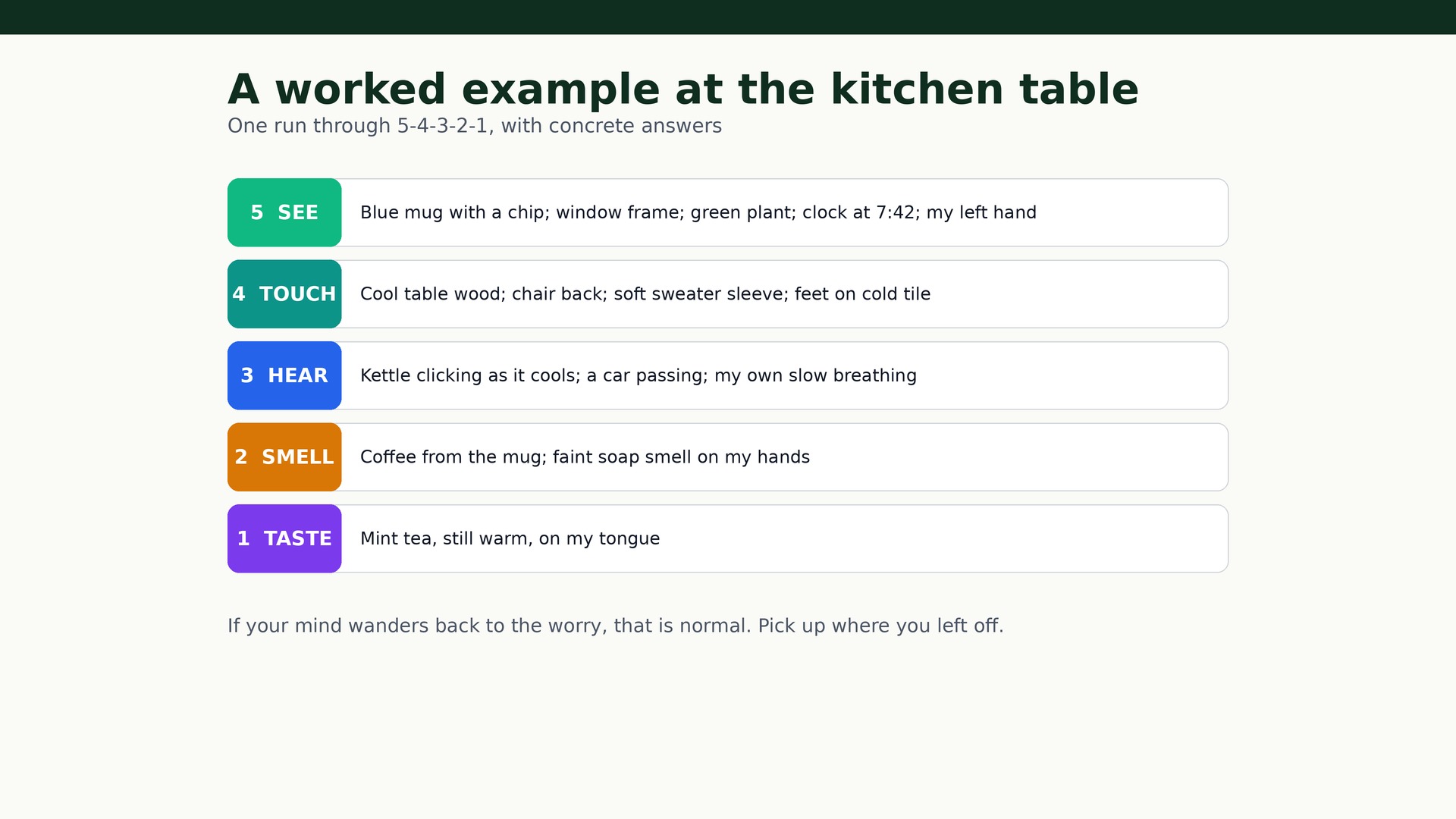
Figure 2: A worked example at a kitchen table. Every step has concrete answers you can borrow and change to fit your own room.
A worked example, start to finish
Here is the exercise done once, sitting at a kitchen table in the morning. Borrow the shape of it and fill in your own room. The answers are ordinary on purpose. Ordinary things are the easiest to notice.
| Step | Sense | Example answers |
|---|---|---|
| 5 | See | A blue mug with a chip on the rim; the window frame, white paint flaking at the corner; a green plant with one brown leaf; the clock showing 7:42; my own left hand on the table |
| 4 | Touch | The cool wood of the table under my palm; the chair back pressing against my spine; the soft wool of my sweater sleeve; my feet flat on the cold tile floor |
| 3 | Hear | The kettle clicking as it cools; a car passing on the street outside; my own slow breathing |
| 2 | Smell | Coffee from the mug in front of me; the faint soap smell on my hands |
| 1 | Taste | Mint tea, still warm, on my tongue |
If your mind wanders back to the worry halfway through, that is normal. Pick up where you left off. You do not need to start over. A rushed run through the list is just a checklist, and it does less. Slow down, give each item a few seconds of real attention, and let the count take its time.
When it helps
People use 5-4-3-2-1 when anxiety, panic, or racing thoughts pull them away from the moment. It is taught in trauma-focused therapy, including in Seeking Safety, a treatment manual by psychologist Lisa Najavits, where grounding is framed as detaching from emotional pain. The Royal Berkshire NHS Foundation Trust leaflet on grounding explains that most anxiety comes from worrying about the future, and grounding brings you back from difficult emotions to the present.
It fits in small moments too: before a difficult phone call, in a waiting room, on a crowded train, in the middle of a stressful workday. It needs nothing but you and wherever you happen to be. A shorter 3-2-1 version, three things seen, two heard, one felt, works when you have only a minute.
What it does not do
Grounding is a coping skill, not a treatment. It does not treat anxiety, panic disorder, or PTSD. It will not change the situation that upset you, and it does not always work, especially the first few times. No large study has tested the 5-4-3-2-1 exercise on its own, so treat its benefits as plausible and widely recommended, not proven. That is an honest note, and it matters: a tool that steadies you for a few minutes is useful, and it is still only a few minutes of steadiness.
If anxiety or panic keeps coming back, if it stops you doing things you need to do, or if you feel unsafe, see a doctor or a mental health professional. Grounding can sit beside professional care. It cannot replace it. If you are in crisis, contact a crisis line or emergency services in your country right away.
One-page checklist
Save this list or print it and keep it somewhere you can reach it. Each line is one step. Tick each line off as you go.
| Done | Step | What to do |
|---|---|---|
| ☐ | Pause | Sit or stand comfortably. Take one slow breath, out longer than in. |
| ☐ | 5 see | Name five things you can see, in specific words. |
| ☐ | 4 touch | Name four things you can feel: feet, chair, clothes, air on your skin. |
| ☐ | 3 hear | Name three things you can hear, near and far. |
| ☐ | 2 smell | Name two smells, or two smells you like if nothing stands out. |
| ☐ | 1 taste | Name one taste, or take a sip of water. |
| ☐ | Finish | Take one more slow breath. Check how you feel. If your mind wandered, that is normal. |
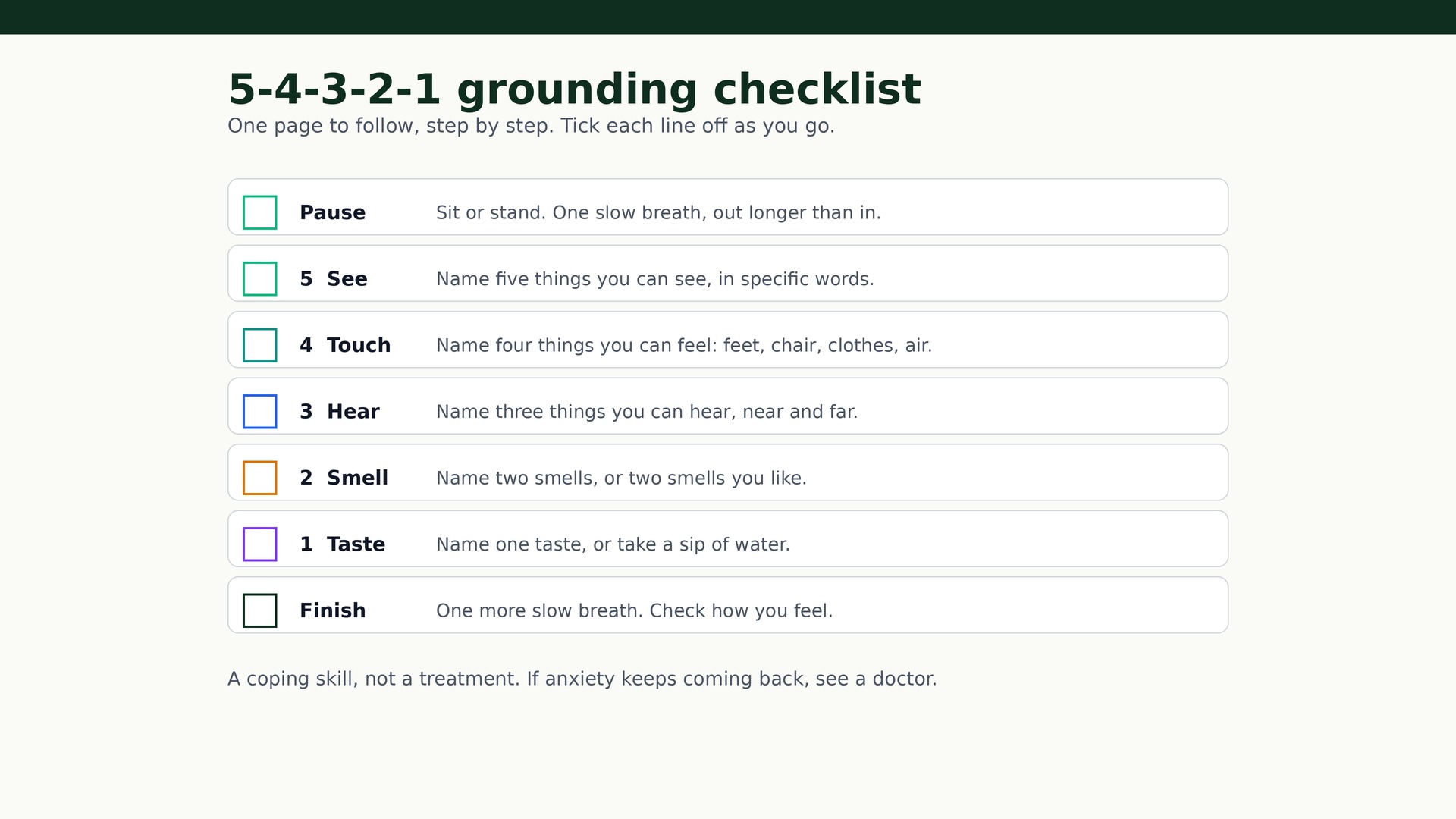
Figure 3: The checklist from this post, as a card you can follow step by step. Pause, 5, 4, 3, 2, 1, finish.
Practise it before you need it
The exercise works better when you have done it once or twice on a calm day. Try it now, while you are reading this, with the room around you. Notice which sense is hardest for you. For most people it is smell, and knowing that in advance means you will not get stuck on it when you are anxious. Keep a mint, a small bottle of hand cream, or a tea bag nearby if smell is your hard step. The tool is only useful if you can reach it in the moment you need it.
Frequently asked questions
What is the 5-4-3-2-1 grounding technique?
A mindfulness exercise that uses your five senses to bring attention back to the present. You name 5 things you can see, 4 you can touch, 3 you can hear, 2 you can smell, and 1 you can taste. It takes about 3 minutes and needs no equipment.
Does 5-4-3-2-1 grounding treat anxiety?
No. It is a coping skill, not a treatment. It can steady you through a hard moment so you can think, but it does not treat anxiety, panic disorder, or PTSD, and it does not address why you are anxious. If anxiety keeps coming back, see a doctor.
What if I cannot find two things to smell?
Name two smells you like, or move to find one: sniff your sleeve, a cup of tea, soap, or hand cream. Cleveland Clinic says perfection is not the goal. The point is to move your attention through each sense.
How long does 5-4-3-2-1 grounding take?
About 3 minutes at a slow pace. A shorter 3-2-1 version, three things seen, two heard, one felt, works when you have only a minute.
What if my mind wanders during the exercise?
That is normal. Pick up where you left off. You do not need to start over. Go slowly, and give each item a few seconds of real attention.
Sources: Cleveland Clinic, "5-4-3-2-1 Grounding for Anxiety: How To Do It" (Dr. Melissa Young; steps, timing, and the note that perfection is not the goal); NHS inform, "Grounding exercises" (5-4-3-2-1 steps; grounding can help reduce anxiety and stress symptoms when they feel overwhelming); Royal Berkshire NHS Foundation Trust, "Grounding techniques to help with anxiety" (April 2026 leaflet; steps and the note that most anxiety comes from worrying about the future); SelfGrowth, "Grounding Techniques for Anxiety" (Seeking Safety by Lisa Najavits; grounding does not treat anxiety, panic disorder, or PTSD); Symplia, "5-4-3-2-1 Grounding Technique: Steps and Examples" (no large study testing the exercise on its own). All accessed 14 November 2026. This post is a plain explainer, not medical advice. It is not a substitute for professional help.
More from the Blog



Was this article helpful?
Comments
Loading comments...