Deepfakes Are Now Getting Banned: Election Rules, the EU December 2 Ban, and How to Spot a Fake

TL;DR
Pakistan proposed a ban on deceptive election deepfakes on October 25, 2026, and the EU bans AI systems that generate non-consensual intimate imagery from December 2, 2026. Here is what each rule covers, and how to check a suspicious video.
Table of Contents
Executive Briefing: Deepfake Bans in October 2026
Two sets of rules landed days apart in October 2026, and both target the same problem: video and audio that shows a real person doing or saying something they never did. Pakistan's Election Commission published draft amendments on October 25, 2026 that ban deceptive deepfakes in elections. The European Union adopted its AI Omnibus on October 13, 2026, adding a ban that applies from December 2, 2026 on AI systems that generate non-consensual intimate imagery and child sexual abuse material. This post covers what each rule bans, what stays allowed, and how to check a suspicious video.
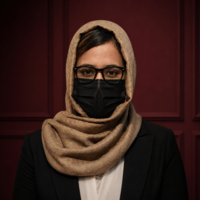
Figure 1: A deepfake often looks convincing at first glance. The glitches show up on a closer look, and the source check matters more than either.
Pakistan: no more fake candidates on the campaign trail
The Election Commission of Pakistan (ECP) published draft amendments to its 2023 codes of conduct for political parties, media organisations and election observers, and invited public and stakeholder feedback by November 20, 2026. The drafts were reported by APP on October 25, 2026.
Under the draft media rules, outlets must clearly disclose content generated or modified with AI when it is broadcast, published or released. Media houses may use AI tools to prepare, translate, present or analyse election content, provided they disclose that use to audiences and stay responsible for the accuracy of the material. They must promptly remove misleading or undisclosed AI-generated content from their platforms, or correctly relabel it, when a regulatory body or the ECP directs them to. The Pakistan Electronic Media Regulatory Authority, the Social Media Protection and Regulatory Authority and the National Cyber Crime Investigation Agency would monitor undisclosed or unlabelled AI-generated media content and report violations to the ECP.
Under the draft party rules, political parties and candidates may not create, publish, broadcast or distribute AI-generated or manipulated content, including deepfake images, videos and audio clips, without clearly labelling it as AI-generated. The drafts ban AI-generated material intended to deceive voters by falsely portraying a person's image, words or actions. They also ban fabricated, ridiculing or defamatory images, voices or statements of party leaders, candidates, election officials, members of the judiciary, armed forces personnel and other state officials made through deepfake technology. Parties must preserve all AI-generated content they produce during the election process. The drafts ban AI-powered bots and automated accounts used to manipulate online engagement or create fake trends, and they regulate voter outreach through robocalls or voice-cloned messages, with a clear disclosure at the start of each call or message that the content came from AI.
Election observers face draft rules of their own. They must stay alert for AI-related manipulation during observation and report any instance to the ECP at once. The drafts bar observers from using AI to generate, alter or improve their observations, factual findings, photographs, videos or reports submitted to the commission.
One point needs care: these are draft amendments, not law yet. The feedback window closes on November 20, 2026, and the drafts can change before adoption.

Figure 2: Election deepfakes work because voters trust video. The Pakistan drafts answer that with labels, preservation of AI content, and a ban on deceptive fakes.
Europe: a December 2 ban with fines up to 35 million euros
The European Union formally adopted the AI Omnibus on October 13, 2026. The Omnibus amends the EU AI Act (Regulation (EU) 2024/1689) through Regulation (EU) 2026/1744, in force since July 27, 2026. It adds two prohibitions to Article 5, points (ba) and (bb), which apply from December 2, 2026.
The first new ban covers placing on the market, putting into service or using an AI system that generates or manipulates realistic images, videos, audio or similar material of an identifiable person's intimate parts, or of an identifiable person engaged in sexually explicit activities, without that person's freely given, specific, informed, unambiguous and explicit consent. The second covers AI systems that generate or manipulate child sexual abuse material. The ban catches systems designed for that purpose, and systems where such output is reasonably foreseeable and reproducible without reasonable, proportionate and effective safeguards. Fines for Article 5 violations run up to 35 million euros or 7% of worldwide annual turnover, whichever is higher.
Labelling duties run alongside the bans. Article 50 transparency duties apply from August 2, 2026: chatbots must disclose that they are AI, and deepfakes and AI-generated public-interest text must be labelled. Generative systems already on the market before August 2, 2026 have until December 2, 2026 to meet the machine-readable marking duty. The same date, December 2, 2026, is when the two new bans apply, so it is a double deadline for providers of image and video tools.
A separate EU directive covers the sharing side. Directive (EU) 2024/1385 requires member states to criminalise the public online sharing, without consent, of intimate or sexually explicit images when the conduct is likely to cause serious harm. Its coverage expressly includes material produced or altered with AI, including deepfakes, when it is then shared publicly. Member states have until June 14, 2027 to write those rules into national law. The Omnibus bans the AI systems; the directive criminalises the sharing. Both halves matter for victims.
The Omnibus also moved the high-risk deadlines: Annex III high-risk duties now apply from December 2, 2027, and Annex I product-embedded high-risk duties from August 2, 2028. Those dates sit outside the deepfake rules, and they explain why some coverage described the Omnibus as a delay. The deepfake bans and labelling duties did not move.
What the two sets of rules share
Labels sit at the centre of both. Pakistan requires labels on campaign AI content. The EU requires labels on deepfakes. Labelled AI content stays usable in both systems. Unlabelled deceptive content draws removal in Pakistan's drafts and fines under the EU labelling duties.
Consent draws the second line. The EU ban turns on consent for intimate imagery. The Pakistan drafts turn on deception of voters. A fake that misleads voters or uses a person's intimate image without consent crosses both lines at once.
Enforcement lands on more than the person who clicked generate. Media houses must remove or relabel on direction. EU fines land on providers and deployers of the AI systems. Platforms sit in the middle in both systems, through removal duties and user reports.
How to check a video before you share it
No single check proves a video is fake. Strong fakes pass visual checks. The source check catches more fakes than any pixel check, so it comes first.
- Find the source. Search for the same clip from a reputable outlet or the person's own account. A clip that exists only on anonymous accounts deserves doubt.
- Watch the face in motion. Look for lip-sync drift, blinking that looks wrong, teeth that blur, ears and hands that change shape, and skin that looks too smooth in one area.
- Listen. Flat tone, missing breaths, room sound that does not match the room on screen, and a voice that sounds right but slightly off in pacing all point to cloned audio.
- Freeze frames. Pause on fast movement and on hands, glasses, hair edges and text in the background. Glitches cluster at edges and during movement.
- Reverse image search a still. A screenshot search often finds the original photo or an earlier post of the same clip with a different caption.
- Check the claim behind the clip. If the person supposedly said something big, other outlets would carry it. Silence from every credible outlet is itself evidence.
If two checks fail, do not share the clip. Sharing spreads the fake even with a caption that doubts it.
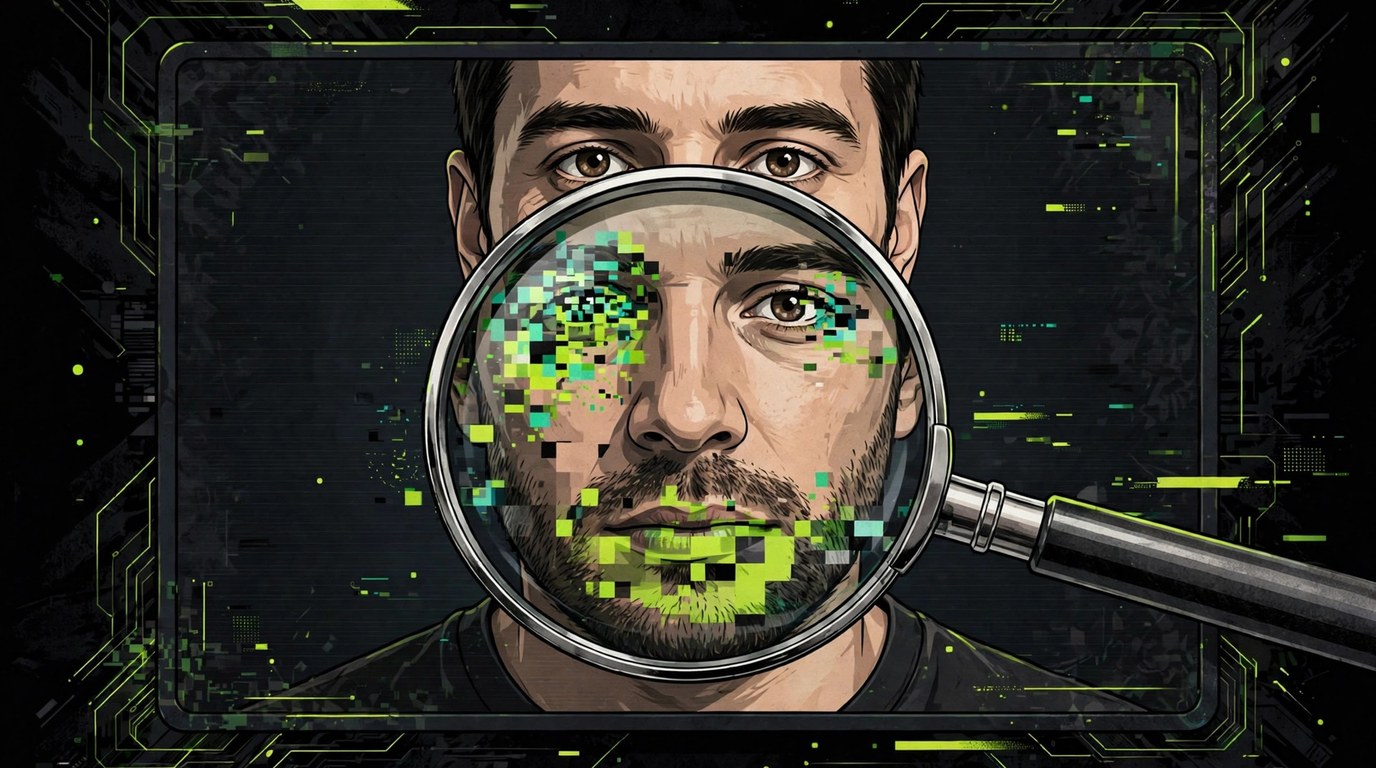
Figure 3: Magnified frames show what the eye misses at normal speed: pixel breaks around the eyes and mouth, and edges that shift between frames.
If a fake video shows you
Save evidence first: URLs, screenshots, timestamps and account names, before the post is deleted. Report the post on the platform and keep the report reference. For intimate imagery, report to the platform, keep the evidence, and contact local police or a cybercrime unit. A short denial that links to a credible source reaches the same audience without spreading the images again. This post gives general information, not legal advice. Rules differ by country, and a lawyer can advise on a specific case.
Deepfake rule timeline
| Date | Event |
|---|---|
| October 13, 2026 | EU formally adopts the AI Omnibus (Regulation (EU) 2026/1744) |
| October 25, 2026 | Pakistan ECP publishes draft election AI amendments |
| November 20, 2026 | Pakistan feedback window on the drafts closes |
| December 2, 2026 | EU intimate-imagery and CSAM bans apply; machine-readable marking grace ends |
| June 14, 2027 | EU member states transpose intimate-image sharing criminal rules into national law |
| December 2, 2027 | EU Annex III high-risk duties apply |
| August 2, 2028 | EU Annex I product-embedded high-risk duties apply |
Frequently Asked Questions
Is every deepfake now illegal?
No. Labelled AI video, consensual work and clearly marked satire sit outside these bans. The bans cover deceptive election content, unlabelled deepfakes under EU labelling duties, and non-consensual intimate imagery. Rules differ by country.
What if I share a deepfake I did not make?
Sharing can still draw removal and, for election deception or intimate imagery, legal risk. A caption that doubts the clip does not remove the risk. Check the clip before sharing it.
How do I check a video of a politician?
Source first: the person's own account or reputable outlets. Then face, sound and freeze-frame checks, plus a reverse image search on a still from the clip.
Do the EU rules ban memes and parody?
The Omnibus bans AI systems that generate non-consensual intimate imagery and child sexual abuse material. Labelling duties cover deepfakes. Clearly labelled parody presented as parody is a different case from a fake presented as real.
A fake video of me is spreading. What do I do first?
Save URLs, screenshots, timestamps and account names. Report the post on the platform and keep the reference. For intimate imagery, contact local police or a cybercrime unit and a lawyer.
Sources: APP via Tribune, October 25, 2026, on the ECP drafts; BSI, October 13, 2026, on the AI Omnibus; Regulation (EU) 2026/1744, Article 5 points (ba) and (bb); Directive (EU) 2024/1385 on intimate-image sharing.


Was this article helpful?
Comments
Loading comments...