RAID Calculator
Compare usable storage across RAID 0, 1, 5, 6, and 10. Visualize drive failure tolerance for your NAS.
Drive Configuration
Drive Array Visualizer
RAID Configurations
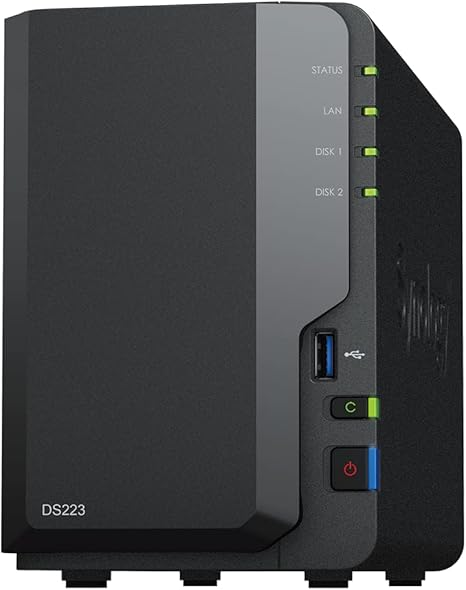
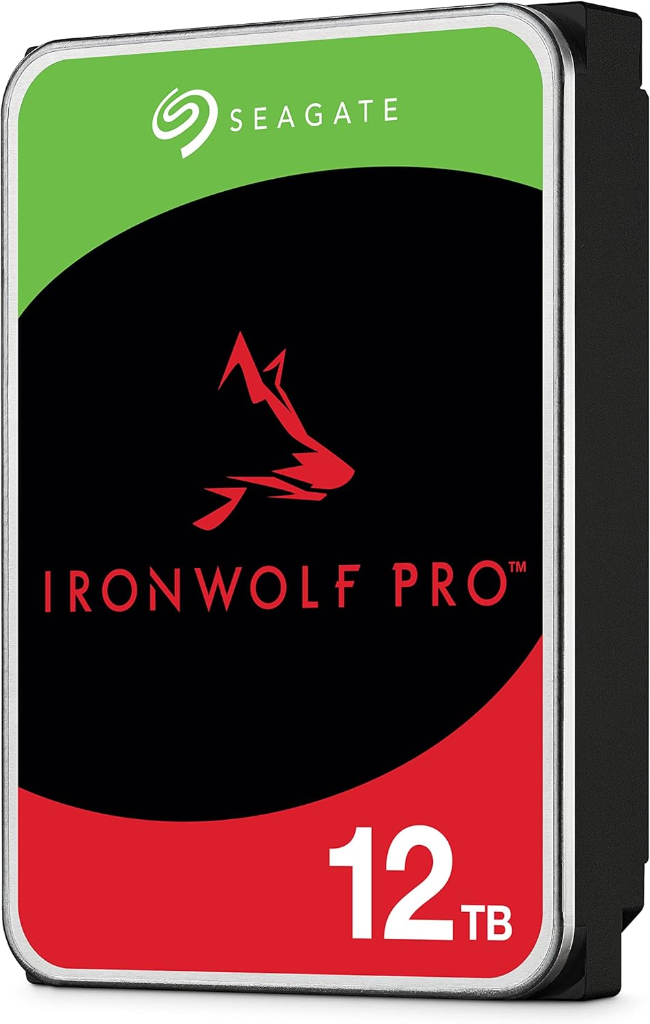
Recommended Gear


RAID Calculator: Plan Your NAS Storage Capacity
Building a Home Lab or Small Business Server? Our RAID Calculator helps you determine the exact usable storage capacity of your array. Whether you are using a Synology NAS, building a TrueNAS (ZFS) server, or setting up a hardware RAID controller, knowing your efficiency loss is critical.
Don't waste money on drives you can't use. Compare RAID 0, 1, 5, 6, and 10 to find the perfect balance between raw space, speed, and data redundancy.
Usable Space vs. Raw Capacity
A 40TB array (4x 10TB) often only gives you 30TB or 20TB of actual space. This "Storage Penalty" is the cost of parity. Our tool calculates this instantly for all major RAID levels.
Data Protection & Redundancy
Fault Tolerance defines how many drives can fail before you lose data. RAID 6 and RAID 10 offer superior protection for critical business data compared to the risky RAID 5.
Synology SHR vs. Standard RAID
If you are buying a Synology DS923+ or similar, you should almost always use SHR (Synology Hybrid RAID). Unlike standard RAID, SHR allows you to mix drive sizes (e.g., 8TB + 12TB) without wasting the extra space on the larger drives.
For ZFS (TrueNAS) users: RAID 5 is equivalent to RAID-Z1, and RAID 6 is equivalent to RAID-Z2.
Frequently Asked Questions
Check Out Other Popular Tools
Dutch Assessment Test
Test your Dutch level with our adaptive assessment. Get an instant CEFR score (A1-C2) and a downloadable PDF certificate.
JSON to YAML Converter
Convert data between JSON and YAML formats instantly. Human-readable YAML output, 100% private client-side processing.
Clip Image Online
Free online tool to clip any image into beautiful shapes like circles, triangles, or rounded rectangles. Process instantly in your browser with 100% privacy and export as PNG.
Was this tool helpful?
Comments
Loading comments...