Inside the Software Engine Room of Germany's Largest Companies: How AI Is Rewriting the Rules

TL;DR
When people picture Germany's economy, they usually picture steel, cars, and precision machinery. But walk through the R&D floors of the largest German companies today and you'll find less oil and more code.
Table of Contents
When people picture Germany's economy, they usually picture steel, cars, and precision machinery. That picture is out of date. Walk through the R&D floors of the largest German companies today and you'll find less oil and more code — data scientists, MLOps engineers, and product teams building the software layer that now sits underneath almost everything the country manufactures and sells. Germany's industrial reputation was built on hardware. Its next chapter is being written in software.
Why "Made in Germany" now means "built on AI"
For decades, German companies competed on engineering precision — tighter tolerances, better materials, longer-lasting machines. That's still true, but it's no longer the whole story. Companies like SAP, Siemens, Bosch, SAP-adjacent startups, and Deutsche Telekom have quietly become some of the most significant AI players in Europe, not by chasing consumer chatbots, but by embedding machine learning directly into the industrial and enterprise systems the world already depends on.
SAP, for instance, has spent the last several years folding generative AI into its enterprise resource planning software, letting businesses query supply chains and finances in plain language instead of dashboards. Siemens has pushed predictive-maintenance AI into factory floors, using sensor data to flag equipment failures before they happen. Bosch has built AI into everything from semiconductor manufacturing to smart-home devices. None of this shows up in headlines the way a flashy chatbot launch does, but it's arguably a more durable kind of AI adoption — quieter, more embedded, and harder to rip out once it's in place.
This matters because when people search for German companies, they're often expecting a list of car manufacturers. Increasingly, the more accurate answer is a list of software-first, AI-integrated firms that happen to also build cars, chemicals, and industrial equipment.
Privacy by design: why German software leads on data protection
Germany's relationship with data privacy is famously strict, and that culture has shaped its software industry in a very specific way. Because GDPR enforcement in Germany tends to be aggressive relative to other EU countries, German companies building consumer and enterprise software have had to treat privacy as a design constraint, not an afterthought.
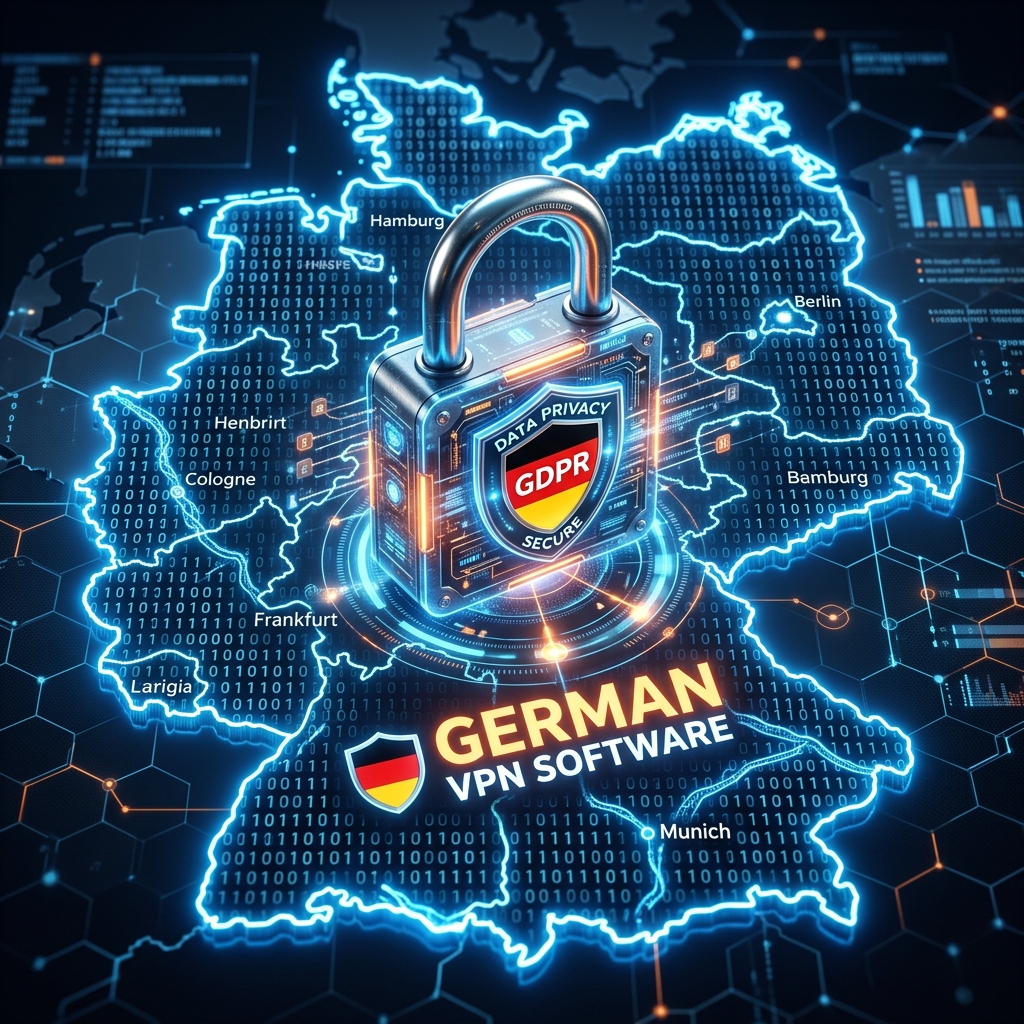
That's part of why demand for a German VPN has grown alongside the country's broader software ecosystem. German-engineered VPN and encryption tools tend to market themselves specifically on jurisdiction — servers and legal accountability inside a country with some of the toughest data-protection law in the world. For businesses and individuals wary of vague privacy policies, "built in Germany, governed by German law" has become a genuine selling point, not just a marketing label. It's a small but telling example of how national regulation ends up shaping which software gets built and how it's positioned — privacy-first AI tools, encrypted cloud storage, and compliance software are now a real export category in their own right.
From simulation software to digital twins
Germany has a long, slightly overlooked history in simulation software — the genre of programs that model real-world systems closely enough to train people or test scenarios without real-world risk. Titles in the vein of German truck simulator games grew out of a broader domestic tradition of building detailed, physics-accurate simulation engines, originally for logistics and vocational training rather than entertainment.
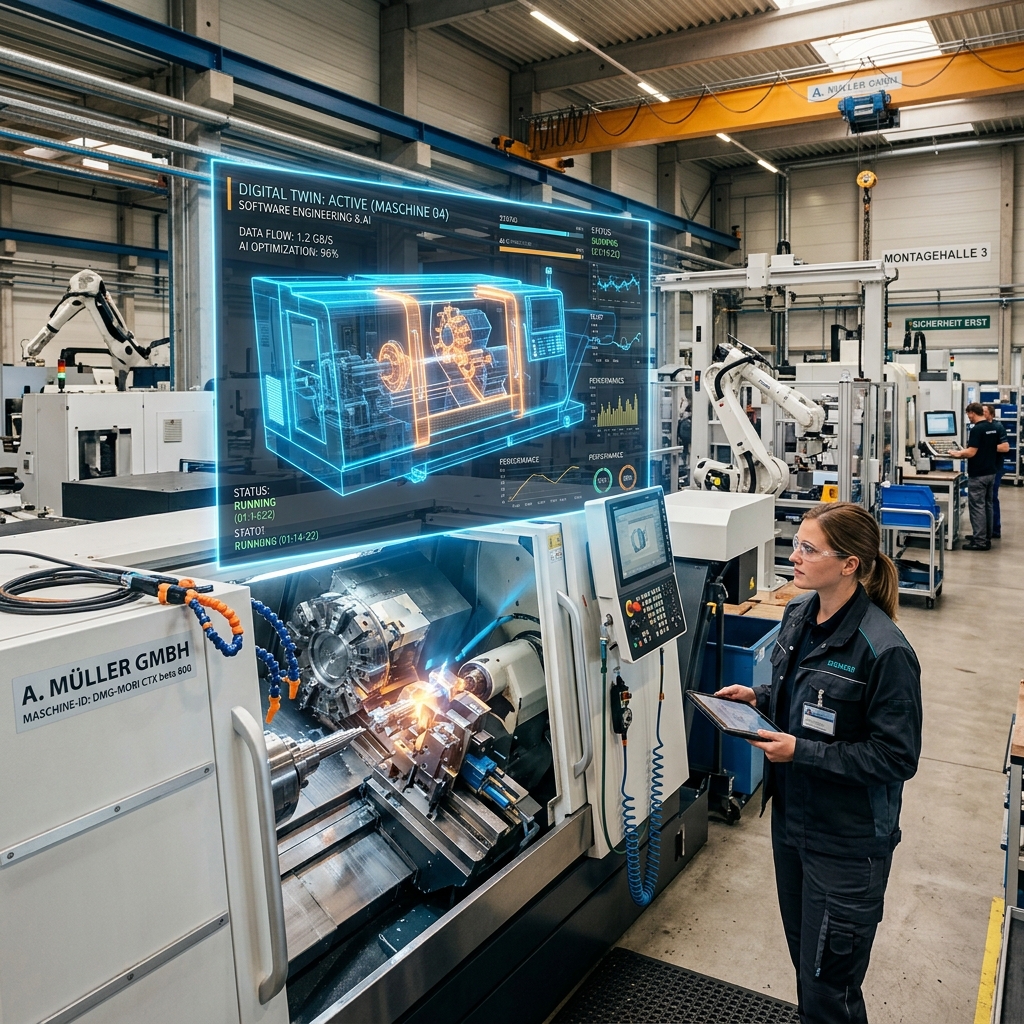
That same simulation DNA now powers something much bigger in German industry: the digital twin. Siemens, for example, builds full virtual replicas of factories and machines, letting engineers test changes in software before touching physical equipment. It's the direct descendant of the same modeling techniques that made simulation gaming possible — just pointed at billion-euro production lines instead of highway routes. It's a good reminder that "simulation software" and "industrial AI" aren't as far apart as they sound; one is often the training ground for the other.
AI shows up in stranger places than you'd expect
Not all AI innovation happens in enterprise boardrooms. Some of the more interesting applications are showing up in narrow, unglamorous consumer problems — and Germany's dense startup ecosystem has been quick to fill those gaps.
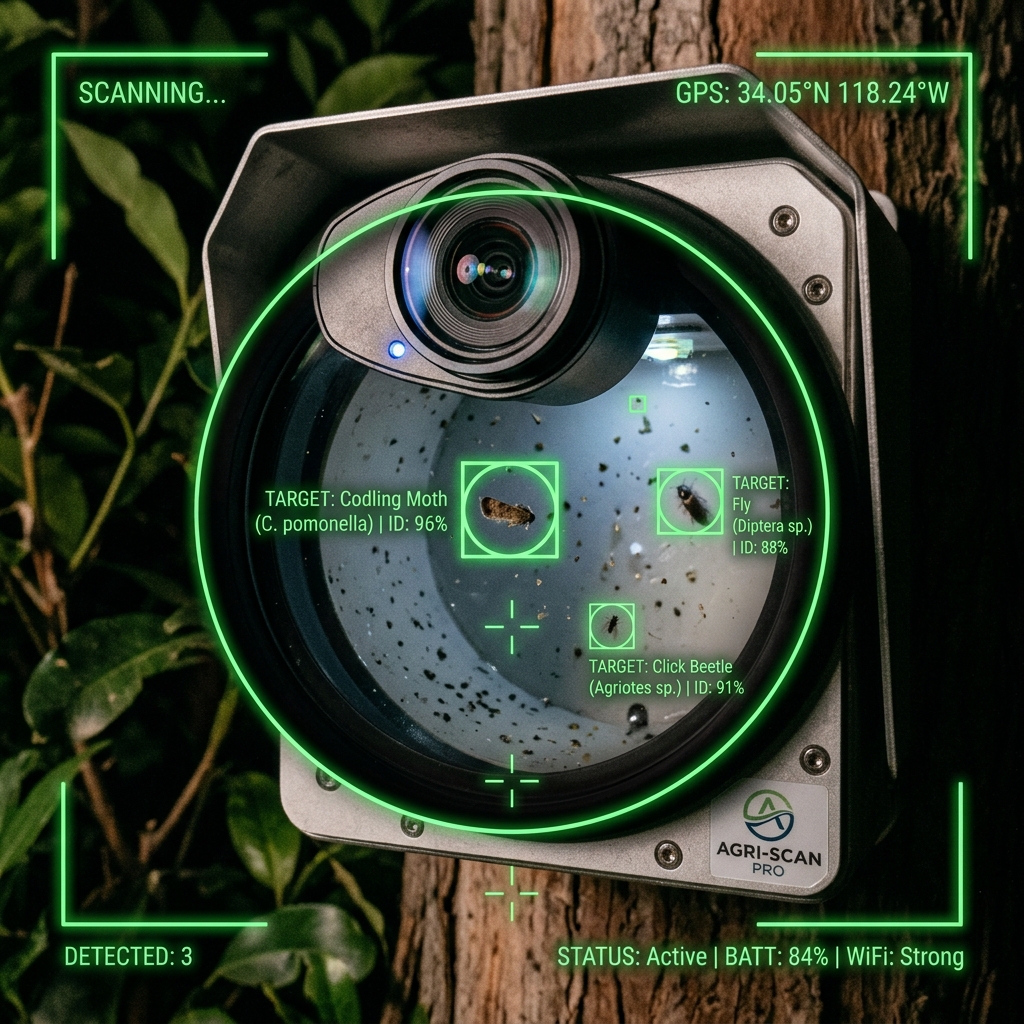
Take pest management: smart trap systems increasingly use computer vision to identify and count insects automatically, including distinguishing adult pests from earlier life stages like a German cockroach nymph, so pest-control services can catch infestations before they're visible to the naked eye. It's a genuinely useful application of the same image-recognition models used in far more high-profile AI products, just aimed at a much less glamorous problem.
Pet care is seeing something similar. AI-assisted training apps are starting to appear alongside traditional dog trainers for German Shepherds, using video analysis to flag behavioral cues or track a dog's response to commands over time. Nobody's claiming this replaces a good trainer, but it's another example of the same underlying pattern: computer vision and pattern-recognition tools originally built for industrial or medical use, migrating into consumer products because the core technology has gotten cheap enough to repurpose.
Culture, work, and the German idea of "Glück"
There's a softer thread running through all of this. Happiness in German — Glück — carries a slightly different connotation than the English word; it leans more toward contentment and stability than momentary excitement. That cultural undercurrent shows up in how German tech companies talk about work itself. Compared to some other tech hubs, German firms tend to put heavier emphasis on structured hours, strong worker protections, and long-term stability over relentless hustle.
It's a reasonable hypothesis — though not one you'll find neatly proven in a single study — that this emphasis on sustainable pace has something to do with why so much of Germany's AI progress has been steady and infrastructural rather than flashy and short-lived. Slow, well-governed, well-tested software tends to come out of cultures that don't burn out their engineers chasing quarterly hype cycles.
What this means going forward
The takeaway isn't that Germany has suddenly become Silicon Valley. It's that the country's traditional industrial strengths — precision, regulation, long-term thinking — are turning out to be genuinely good soil for a certain kind of AI: embedded, privacy-conscious, unglamorous, and built to last. The largest German companies aren't chasing viral AI products; they're quietly rebuilding their core systems around it, and a wave of smaller software companies is filling in the gaps around them, from encrypted VPN tools to computer-vision pest detection.
For a tech audience, that's arguably the more interesting story than another chatbot launch — a national tech ecosystem that's optimizing for durability instead of hype, and slowly proving that the two aren't mutually exclusive.


Was this article helpful?
Comments
Loading comments...