How Flappy Bird Ruined the Life of its Creator


TL;DR
Dong Nguyen made $50,000 a day from Flappy Bird. Then, he deleted it. Read the story of viral success, online abuse, and why he chose to walk away.
Table of Contents
In May 2013, a Vietnamese developer built a mobile game in 3 evenings. By February 2014, the app topped the charts in over 100 countries, downloaded 50 million times and generating $50,000 a day in ad revenue. Then, he deleted it.
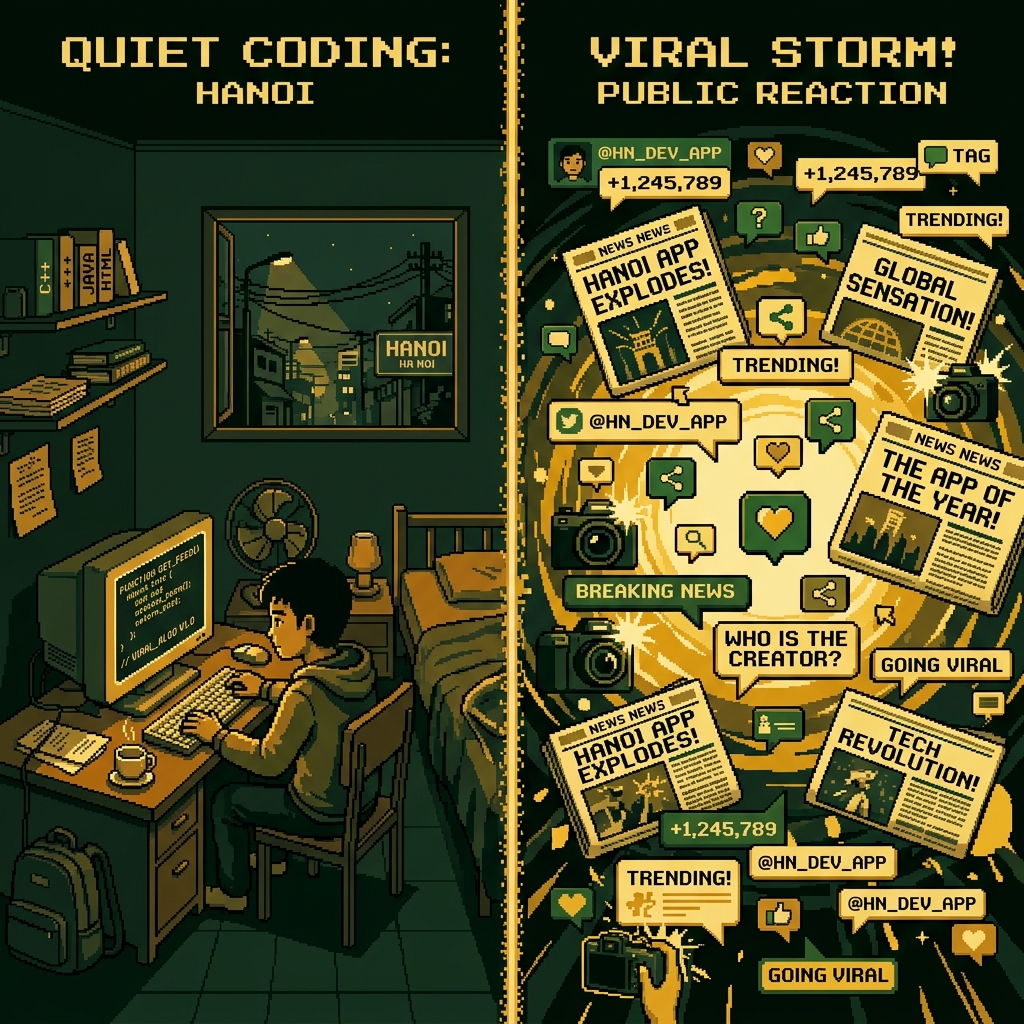
Dong Nguyen pulled Flappy Bird from the iOS and Android app stores on February 9, 2014. The sudden wealth and fame destroyed his quiet life in Hanoi, causing severe sleep deprivation and anxiety. Nguyen felt intense guilt that his simple game had become a destructive addiction for millions of players.
The programmer behind the bird
In 2013, Dong Nguyen was a 28-year-old programmer living with his parents in Hanoi, Vietnam. He founded a small game studio called Gears in 2005. By day, he wrote software for taxi GPS units. By night, he made games.
His parents could not afford a proper game console, but they eventually got a cloned Nintendo. Nguyen spent hours playing Super Mario Bros. This shaped his design style.
Nguyen wanted to build a game for busy people. He designed it to be played with a single thumb while holding a train strap with the other hand. He repurposed a bird character from an unfinished project and completed Flappy Bird in 3 evenings. The mechanic was simple: tap to flap up, release to fall, and avoid the green pipes. The game was free, monetized by a small banner ad. It launched in May 2013.
From obscurity to viral storm
Downloads stayed near zero for months. Then in January 2014, the game suddenly took off. No one knows what triggered the spike. It went from number 80 in the charts to number 1 in a few weeks. By February, it had 50 million downloads.
The success brought intense anger. Users hated the difficulty but could not stop playing. Twitter filled with threats and phone-smashing videos. Critics accused Nguyen of stealing Mario's art assets, pointing to the identical green pipes. A satirical website posted a fake story about a teenager stabbing his brother over the game. The hoax went viral, causing public panic.
Capture Your Ideas Without Distraction
If you are a developer, content creator, or researcher tracking complex stories, your phone is a source of constant interruption. The Plaud Note Pro records and transcribes your audio notes and interviews, keeping you focused on the work.
View Plaud Note Pro on AmazonThe breaking point
In Hanoi, paparazzi stalked Nguyen's parents' house. He could not go outside without being followed. Online, he received death threats. Strangers messaged him that the game ruined their marriages and made their kids fail school.
Nguyen took the messages seriously. He had struggled with video game addiction himself in high school. He stopped sleeping. On February 8, 2014, he tweeted that he would pull the game in 22 hours.
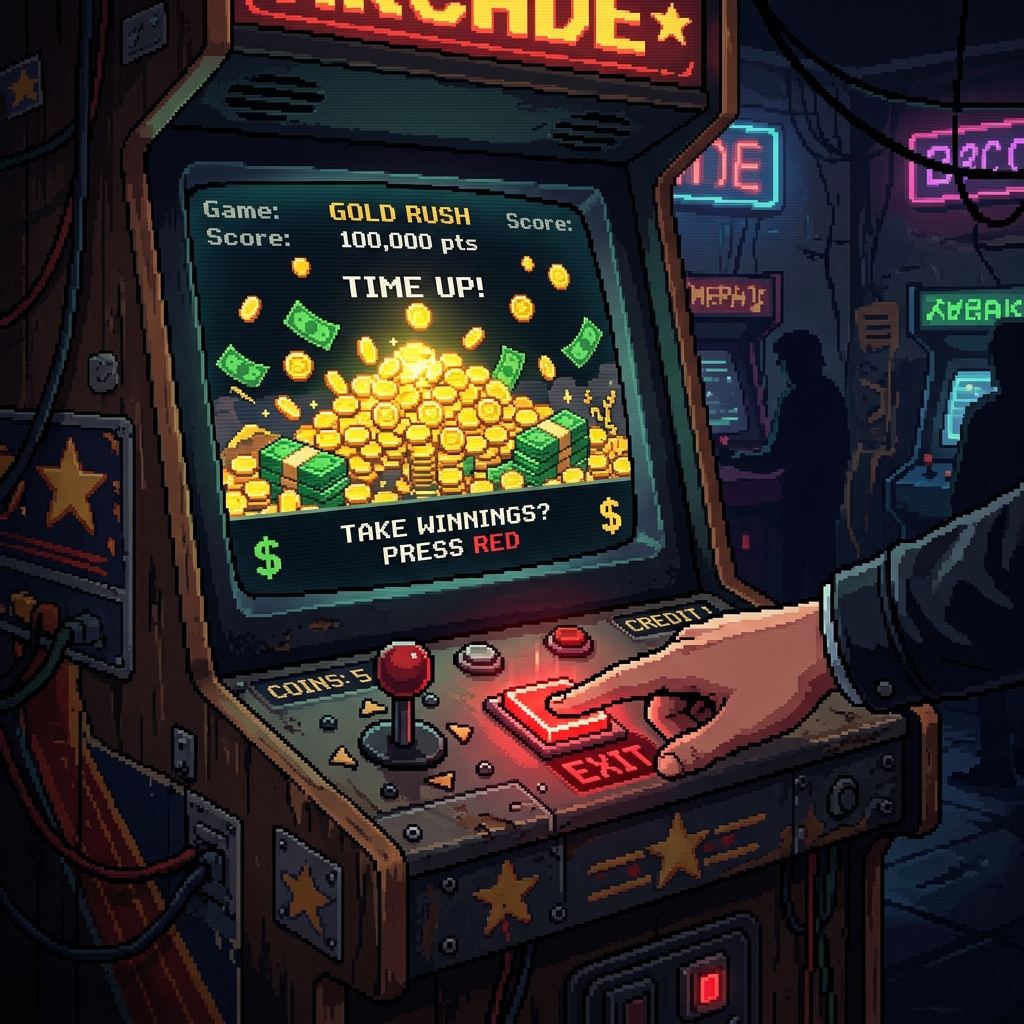
The internet assumed it was a marketing stunt. Players rushed to download the app, adding 10 million downloads in the final hours. On February 9, the game was gone.
Conspiracies and the trademark takeover
Speculation grew immediately. Many believed Nintendo sued him, but the company denied any legal action. Others suspected download bots, but no proof was ever found.
A French developer noted that Flappy Bird looked similar to his 2011 Flash game, Pew Pew versus Cactus. The French game featured a yellow bird flapping through green obstacles. Nguyen insisted his work was original.
Nguyen kept coding. He released Swing Copters in August 2014 and Ninja Spinky Challenges in 2017. Neither game got close to Flappy Bird's reach, which was exactly what he wanted.
In September 2024, a group called the Flappy Bird Foundation announced a revival of the game. The new version included NFT and crypto elements. Nguyen took to social media to state he was not involved and did not support crypto. The foundation had acquired the trademark after he let it lapse a year earlier.
Valuing a quiet life
Mobile gaming is now dominated by microtransactions and engagement-optimized designs. Most developers focus on scaling up and raising venture capital. Nguyen chose his sanity and a quiet life over a fortune. Sometimes it is okay to tap the exit button.


Was this article helpful?
Comments
Loading comments...