The Critical Role of SSL in E-E-A-T: Why Security is the Foundation of Search Authority

TL;DR
In the era of E-E-A-T, web security is no longer optional. Learn why SSL certificates are critical for building trust, improving SEO, and establishing your authority online.
Table of Contents
In the ever-evolving landscape of Search Engine Optimization (SEO), Google\'s E-E-A-T (Experience, Expertise, Authoritativeness, and Trustworthiness) framework has become the North Star for high-quality content. While many creators focus on the "Expertise" of their writing, they often overlook the most fundamental element of "Trustworthiness": Web Security.
At the heart of this security is the SSL (Secure Sockets Layer) certificate. Without it, your site isn\'t just "unsecured"—it\'s effectively invisible to users who value their privacy and to search engines that prioritize safety.
What is SSL and Why Does it Matter?
SSL is a standard security technology for establishing an encrypted link between a server and a client—typically a web server (website) and a browser. This link ensures that all data passed between the two remains private and integral.
The E-E-A-T Connection
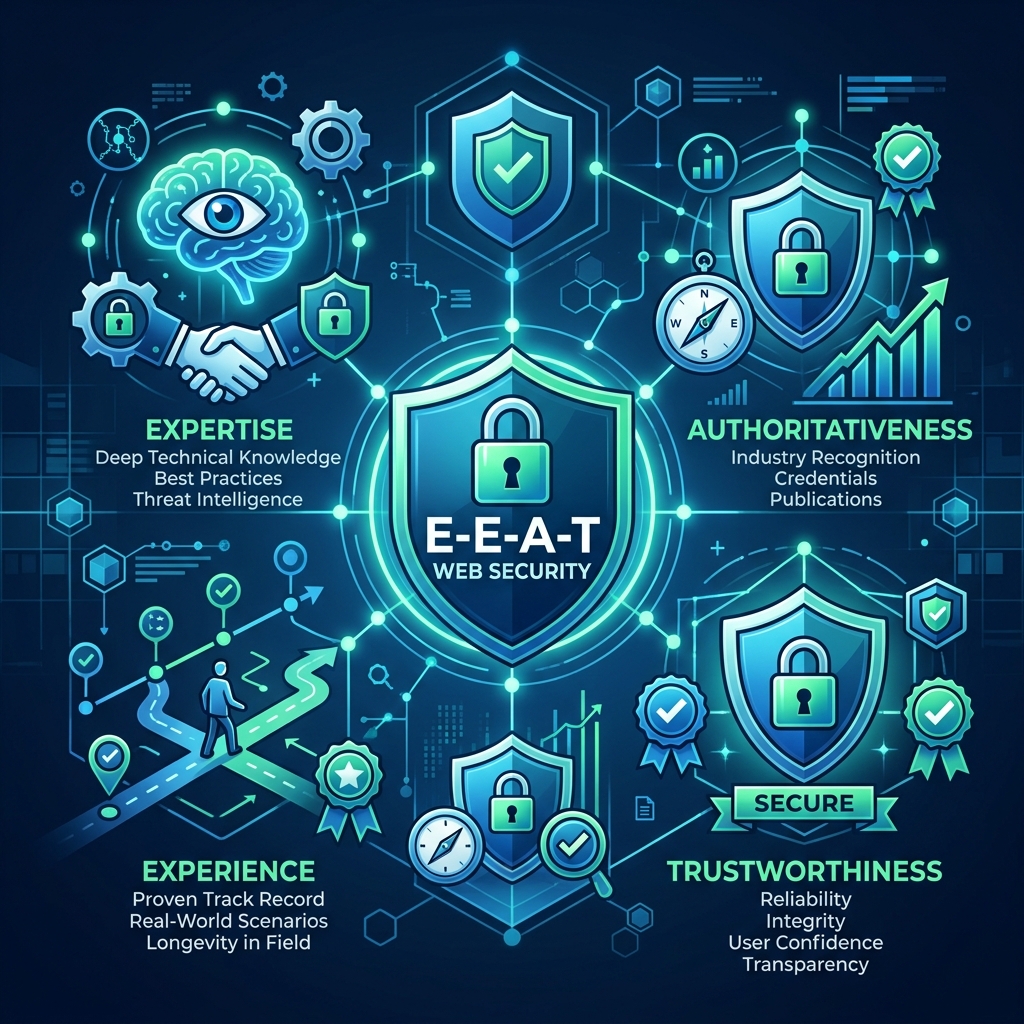
Google’s Search Quality Rater Guidelines explicitly mention that a lack of security can be a sign of low quality. Here’s how SSL fits into the E-E-A-T model:
- Trustworthiness (The \'T\'): This is the most critical component. If a user sees a "Not Secure" warning in their browser, all the "Expertise" in the world won\'t convince them to stay. SSL is the digital handshake that says, "Your data is safe here."
- Authoritativeness (The \'A\'): High-authority sites follow industry standards. In 2026, HTTPS is no longer optional; it’s a baseline requirement for any professional entity.
- Experience & Expertise: Providing a secure environment is part of a positive user experience. It demonstrates that the site owners have the technical expertise to maintain a modern, safe platform.
The SEO Impact: HTTPS as a Ranking Signal
Since 2014, Google has used HTTPS as a ranking signal. While it may be a "tie-breaker" signal, its indirect effects are massive:
- Reduced Bounce Rate: Users flee from "Not Secure" pages.
- Higher Conversion: Customers won\'t enter credit card or personal info on HTTP sites.
- Referral Data: When traffic passes from an HTTPS site to an HTTP site, the referral data is lost, making your analytics useless.
Need Professional Help?
Installing an SSL certificate correctly can be tricky. Ensure your site is 100% secure and compliant with E-E-A-T standards.
Fix or Install Your SSL on FiverrCommon SSL Pitfalls
Simply "having" an SSL isn\'t enough. Many site owners struggle with:
- Expired Certificates: Nothing kills trust faster than an expired security warning.
- Mixed Content Errors: When an HTTPS page loads images or scripts over HTTP, browsers still flag the site as insecure.
- Improper Redirections: Failing to properly redirect HTTP to HTTPS can lead to duplicate content issues.
Conclusion
SSL is the bedrock of digital trust. In the age of E-E-A-T, you cannot afford to ignore the security of your visitors. It is the first thing a user sees and the first thing Google checks.


Was this article helpful?
Comments
Loading comments...