Apple tightens App Store rules on AI nudification apps and bait-and-switch tricks

TL;DR
Apple updated its App Review Guidelines on October 16, 2026. Apps that host user content must now prevent and remove nonconsensual intimate imagery, including images made with AI tools, and rule 2.5.19 targets apps that hide their real features until after approval.
Table of Contents
The October 16 update: the short version
Apple published the changes on its developer news page on October 16, 2026. Dedicated nudification apps were already banned. The update writes AI-generated imagery into the standing moderation duties of every app that hosts user content, and it gives the hidden-features ban its own numbered rule, 2.5.19.
Apple updated the App Review Guidelines on October 16, 2026, and the change with the widest reach sits in guideline 1.2, the user-generated content rule. In Apple's own summary, content moderation requirements now explicitly cover nonconsensual intimate imagery, including imagery generated using AI tools, as content that apps must proactively prevent and remove from their platforms.
The second change, rule 2.5.19, covers bait-and-switch apps: software that shows reviewers one set of features and switches on different ones after approval. Apple's announcement names the pattern directly and gives the example of apps that reveal harmful capabilities, such as nudification, only after they pass review.
Figure 1: Illustration. Apple's October 16, 2026 update extends written moderation duties to AI-generated imagery in every app that hosts user content.
The three changes Apple published
Guideline 1.2: AI imagery is in the moderation rule
Apps must proactively prevent and remove nonconsensual intimate imagery, including imagery generated using AI tools. Developers who fail to add adequate safeguards, or who leave violations in place after notice, risk violating the Developer Code of Conduct and removal from the App Store.
Rule 2.5.19: hidden features get their own rule
The rule covers apps that misrepresent what they do during App Review and change after approval, for example by adding features that were missing from the submitted version. Apps caught doing this face removal from the App Store and removal from the Apple Developer Program.
Section 5: trafficking and child exploitation
Apple restated its ban on apps that facilitate human trafficking or the exploitation of children. Apps with such content are removed from the App Store and blocked from alternative distribution.
Apple put its enforcement scale in the same announcement. Last year the company prevented over 150,000 apps with safety issues from reaching customers and terminated over 193,000 developer accounts for fraud and abuse. Apple links many of those cases to coordinated operations that conceal harmful content until an app is approved, which is the exact behaviour rule 2.5.19 now names.
The four safeguards guideline 1.2 requires
Guideline 1.2 lists four things every app with user-generated content must include. The text names social media, user content platforms and AI content creation apps as examples of the category.
Filtering before posting
A method for filtering objectionable material from being posted to the app. Under the October wording, that filter duty covers nonconsensual intimate imagery made with AI tools.
Reporting with timely responses
A mechanism to report offensive content, with timely responses to concerns. A report button that nobody reads fails this requirement.
Blocking abusive users
The ability for users to block abusive accounts from the service, so a reported account cannot keep reaching the person who reported it.
Published contact information
Contact details published where users can easily reach the developer. Apple also holds the developer responsible for removing content that violates the guideline, the app's terms of service, or its community standards.
The enforcement path is written into the same guideline. When Apple finds violating content, it asks the developer to remove it and provide a plan to improve compliance. An app can stay off the store until the developer shows improvements. Egregious or repeated behaviour is grounds for immediate removal of the app, and for removal from the Apple Developer Program.
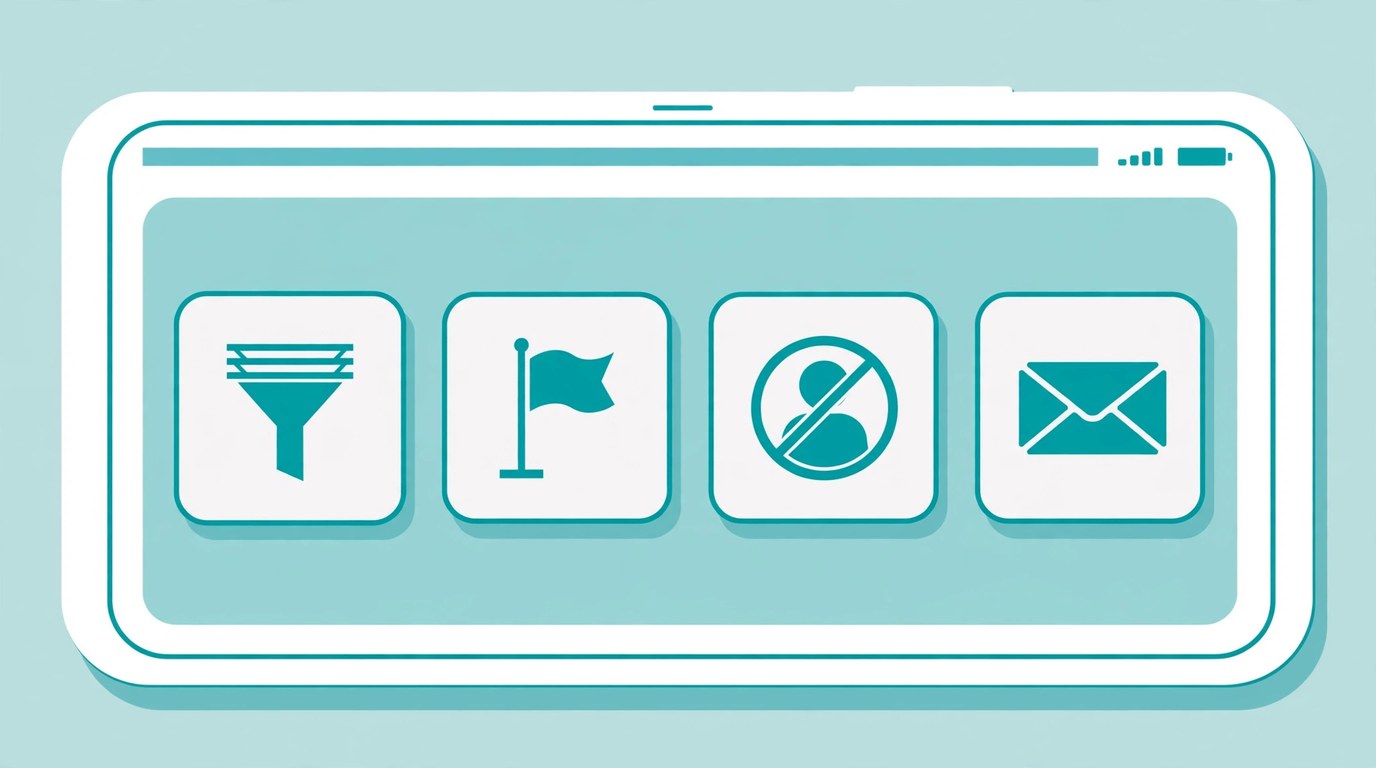
Figure 2: Illustration. Guideline 1.2 requires four safeguards in apps with user content: filtering, reporting, blocking and published contact information.
What changes on your phone
The work lands in app updates. AI photo apps and social apps need filtering that runs before content is posted, report flows with staffed responses, and working block tools. Features that cannot be moderated to this standard are candidates for removal by their own developers, and apps that skip the work risk removal by Apple.
An app pulled from the App Store stops getting new downloads and updates, so a photo or chat app you rely on can freeze in place if its developer ignores the new duties. The check is simple: open the app, look for a report option on posts and images, a block option on profiles, and contact details in the app or its store listing. All four are required, and their absence is exactly what App Review now screens for.
Image editing that runs entirely in a browser sits outside App Review, because no app is submitted or installed. The editors on cubbbix.com process files on your own device in the browser tab, which is one reason browser tools keep shipping features at web speed while store apps wait for review.
What developers have to ship now
Safeguards belong in the build before submission, and the submitted build has to match the shipped build. Rule 2.5.19 treats features switched on after approval as a violation on their own, separate from the content rules. Apple also holds developers responsible for everything inside the app, including ad networks, analytics services and third-party SDKs, so a moderation gap inside a partner library is still the developer's problem.
Teams with AI generation features carry the heaviest load. A text-to-image or face-editing feature needs prevention running at generation time, because guideline 1.2 uses the words proactively prevent, and a takedown queue alone leaves the generation path open. Apple says translations of the updated guidelines will be available within one month, which gives non-English teams a dated window to re-check their localised policies against the final text.

Figure 3: Illustration. Developers are responsible for everything in the app, including third-party SDKs, and for keeping the shipped build identical to the reviewed build.
Frequently Asked Questions
Were nudification apps allowed before October 16, 2026?
No. Apple states that pornographic material, including apps that generate nudity or sexually explicit imagery of real individuals without consent, has long been prohibited. The October update extends the written moderation duties to AI-generated imagery across every app with user content.
Can an app be removed over posts its users created?
Yes, when the app lacks the required safeguards or leaves violations in place after notice. Guideline 1.2 makes the developer responsible for removing content that violates the guideline, the app's terms of service, or its community standards.
What happens to a developer caught hiding features?
Rule 2.5.19 makes the app subject to removal from the App Store, and the developer subject to removal from the Apple Developer Program. Apple describes bait-and-switch behaviour as a core example the rule was written for.
Does this change anything for Android apps?
No. The App Review Guidelines govern Apple's App Store. Google Play runs a separate policy system, and Apple's October 16 announcement changes nothing in it.
Sources: Apple Developer News, "Strengthening App Review Guidelines against nonconsensual intimate imagery and bait-and-switch apps", October 16, 2026 (developer.apple.com), and the App Review Guidelines, guideline 1.2 and rule 2.5.19 (full text). Enforcement figures are Apple's own numbers from the same announcement.


Was this article helpful?
Comments
Loading comments...