FAHES and Istimara Renewal: Which Comes First, What It Costs, and the Order That Works

TL;DR
FAHES lasts one year, the istimara lasts three, and Absher renews the istimara only with a valid FAHES on record. The renewal order, the fees (SAR 115 inspection, SAR 100 per year), the new-car rules, and what changed on expired registrations.
Table of Contents
FAHES or istimara first? The short answer
Renewal order for a Saudi car: pass the FAHES inspection, confirm the insurance is valid, pay outstanding traffic violations, then renew the istimara on Absher. Run your own dates through the FAHES and Istimara Due Date Checker to see which of your two documents runs out first.
Ask a room of Saudi car owners when their istimara expires and most can answer. Ask when their FAHES expires and the room goes quiet. That gap is where the trouble starts, because the two documents expire on different cycles and Absher refuses to renew the registration while the inspection is dead. One expired date blocks the other document completely.
This guide sets out both documents in plain terms: what each one is, how long each one lasts, the order the renewals have to happen in, what each step costs, and what an expired istimara means if you keep driving on it.
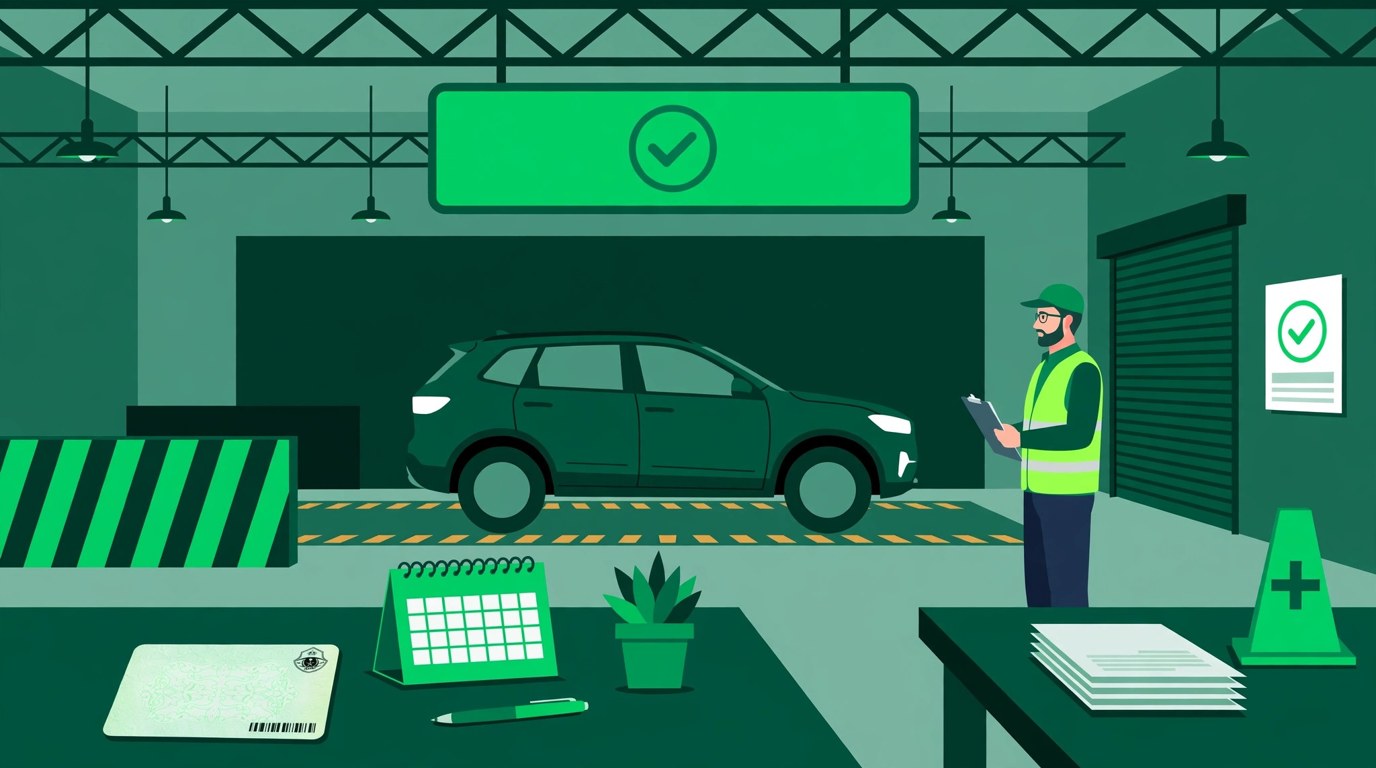
Figure 1: A car on the inspection lane at a periodic vehicle inspection (FAHES/MVPI) station.
Two documents, two clocks
FAHES is the periodic technical inspection, run at Motor Vehicle Periodic Inspection (MVPI) stations across the Kingdom. Inspectors check brakes, steering, suspension, lights, tyres and emissions, and the car leaves with a pass or a list of faults to repair. A pass is valid for one year from the inspection date.
Istimara is the vehicle registration, the card that ties the car to its owner in the traffic system. It is issued for three years at a time and renewed on the Absher platform. The expiry date is printed on the card and shown in Absher under your vehicles, in both Gregorian and Hijri dates.
A three-year registration against a one-year inspection means a typical car needs three FAHES passes inside one istimara period. The middle two passes have nothing to do with renewal. They are legal requirements on their own, and a checkpoint can ask for a current inspection sticker and a current istimara separately.
Which one you renew first
FAHES first. The Absher istimara renewal service lists its conditions up front: a valid periodic inspection, a valid insurance policy, traffic violations paid, and the renewal fee paid. The inspection sits at the top of that list because the system checks it automatically against the vehicle record. When the FAHES record is expired, the renewal stops before payment.
So the working order for renewal season is fixed:
- Pass FAHES. Take the car to an MVPI station with the istimara and your ID or iqama. Failed items get repaired, then the car goes back for a re-inspection.
- Confirm insurance. The policy must be valid on the renewal date. Renew or buy the policy before you open Absher.
- Pay traffic violations. Outstanding fines block the renewal. Absher lists them under your account and they can be paid through your bank.
- Renew the istimara on Absher. Vehicles, select the car, renew vehicle registration, pay the fee. The new card can be delivered by post.
Timing has one useful quirk. Absher opens istimara renewal when the remaining validity drops below 180 days, so you can renew up to six months early and stop watching the calendar. The FAHES pass you use for the renewal only needs to be valid on the day you renew.
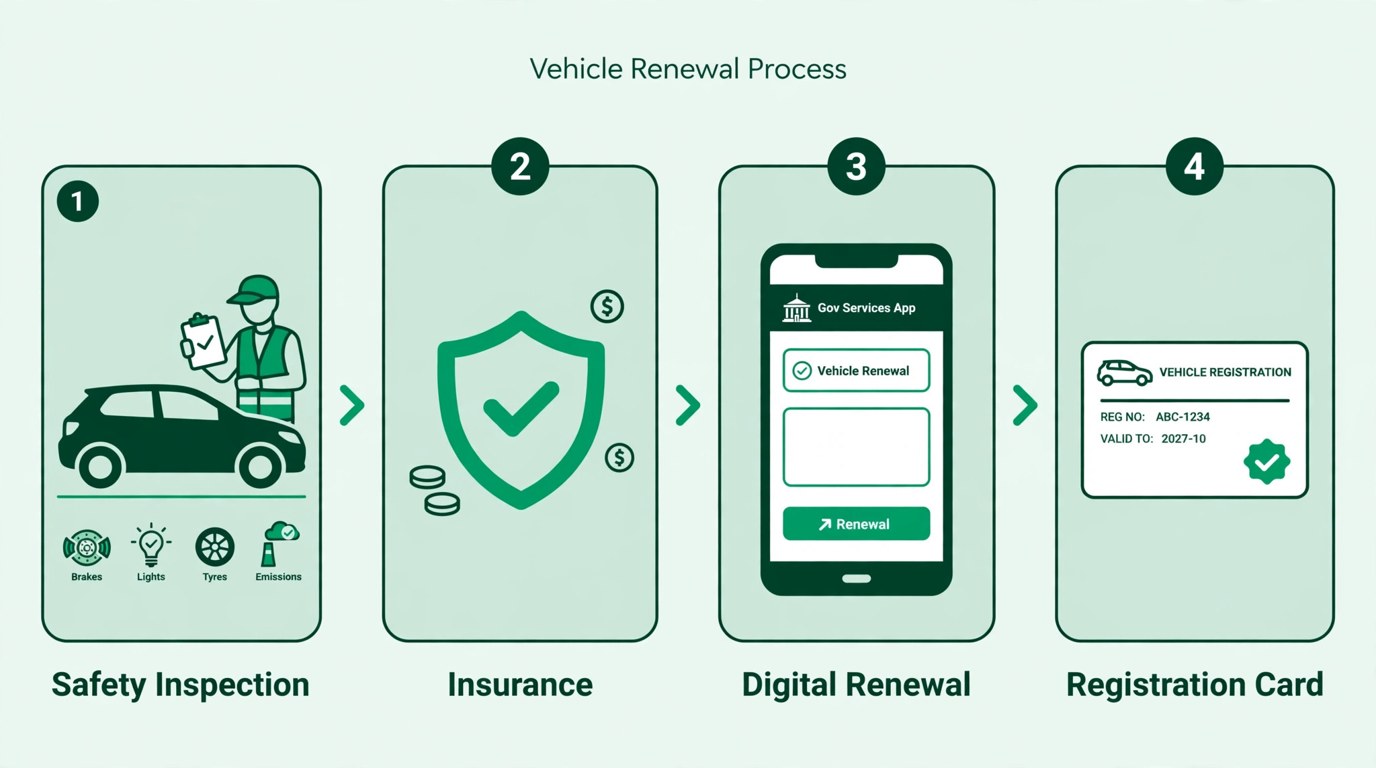
Figure 2: The renewal sequence: inspection, insurance, violations and fees, then the istimara renewal on Absher.
What each step costs
The government fees are published and fixed by vehicle class. For a private car, the two renewals together look like this:
| Item | Private car fee |
|---|---|
| FAHES inspection (incl. VAT) | SAR 115 |
| FAHES re-inspection after a fail | SAR 37.95 |
| Istimara renewal, per year | SAR 100 |
| Istimara renewal, standard 3 years | SAR 300 |
Other classes pay more: private transport vehicles and taxis renew at SAR 200 per year, public works vehicles at SAR 300, and public transport at SAR 400. Insurance is the variable cost on top. A third-party policy for an older sedan can run a few hundred riyals a year, and the price moves with the car, the driver record and the insurer, so it pays to compare quotes in the month before renewal.
New cars: the first FAHES comes later
A brand-new private car is exempt from FAHES for its first three years, counted from the date it was first licensed. Moroor applies the same logic to public transport with a shorter gap: taxis, buses and other public vehicles are inspected for the first time two years after licensing. After that first inspection, every vehicle moves to the standard one-year cycle.
Worked example. A private car first registered on 1 June 2024 owes its first FAHES by 1 June 2027. If it passes on that date, the next inspection falls on 1 June 2028, and the one after that on 1 June 2029. Its istimara, issued for three years, expires around the same June 2027 date, which makes the first renewal season the busy one: first FAHES, insurance, then the istimara, all inside a few weeks.
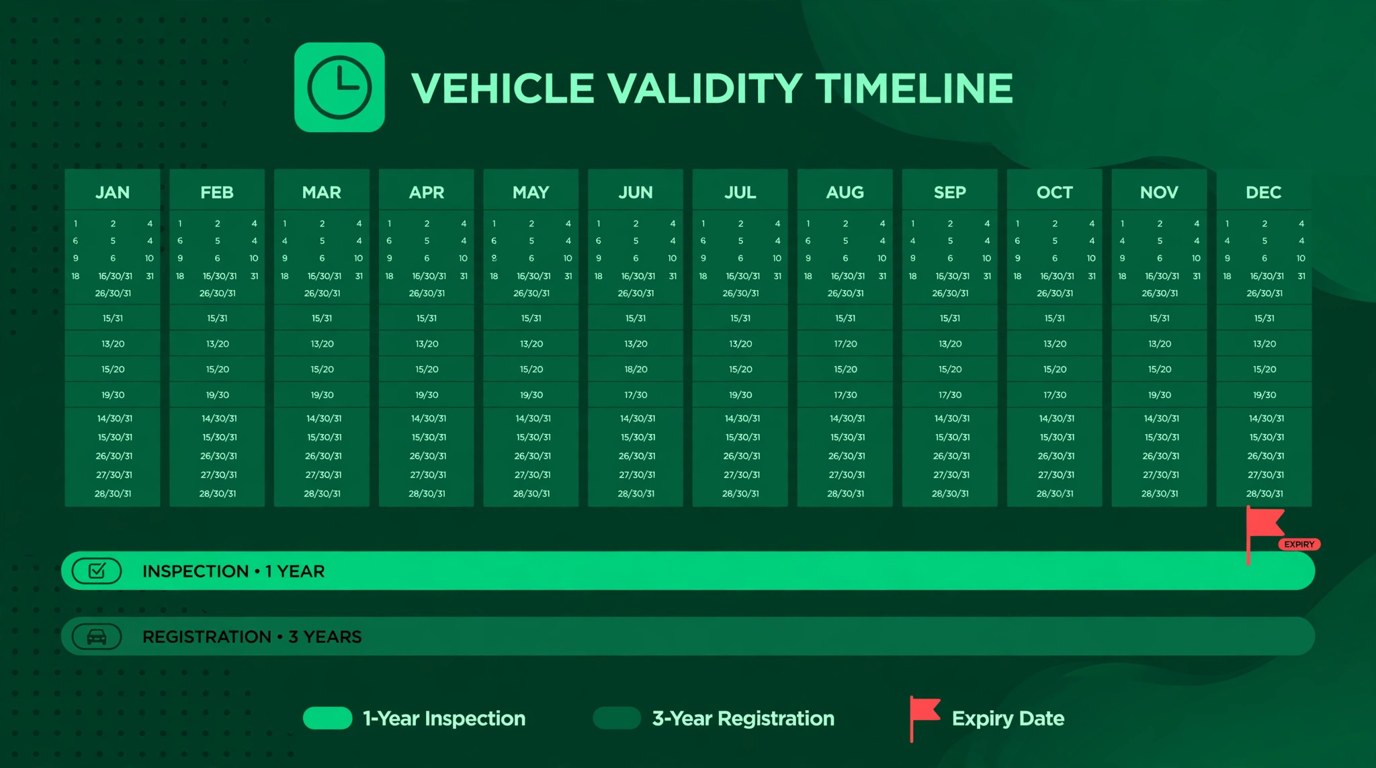
Figure 3: One year of FAHES validity against three years of istimara validity on the same timeline.
Driving on expired papers
An expired FAHES is an administrative problem that turns into a hard block at renewal time, and it can draw a fine at a checkpoint on its own. An expired istimara carries more weight. The Saudi Cabinet amended the Traffic Law to cancel the old Article 71, which had set a late-renewal fine of SAR 100 per year after a 60-day grace period, capped at SAR 300. In its place, the amendment added driving a vehicle with an expired registration to the traffic violations schedule as an offence in itself.
Read that change plainly: the system moved from charging you for renewing late to penalising you for driving unregistered. The safe habit is to treat the printed expiry as the deadline, use the 180-day early window, and keep the FAHES a step ahead of the istimara. Fees and rules in this area do change, and Absher is the source that counts on the day you renew.
Check your own two dates
You need two dates: the istimara expiry from your card or Absher, and the date of your last FAHES pass from the inspection report. Put both into the FAHES and Istimara Due Date Checker. It returns the FAHES due date, the istimara expiry and renewal window, a verdict on which document is due first, and the renewal steps in order, with warnings if either date has already passed. New car with no inspection yet? The checker takes the first registration date instead and counts the first FAHES due date from it.
Frequently asked questions
Can I renew my istimara before the FAHES expires?
Yes, as long as the FAHES is still valid on the day you renew and the istimara is inside its renewal window, which opens when less than 180 days of validity remain. The FAHES does not need to cover the full new registration period.
My car failed FAHES. What happens next?
The station issues a report listing the failed items. Repair those items and return for a re-inspection, which costs SAR 37.95 for a private car and covers the failed items. The istimara renewal waits until the car holds a valid pass.
Does the FAHES date move my istimara expiry?
No. The two dates are independent. Passing FAHES in March gives you inspection validity to the following March, and the istimara keeps whatever expiry it already had. Renewing the istimara early also leaves its cycle anchored to the original expiry pattern shown in Absher.
Where do I check my current FAHES and istimara dates?
Both sit in Absher under your vehicles, and the istimara expiry is printed on the registration card itself. The FAHES pass date and its one-year validity appear on the inspection report from the MVPI station.
Is there a grace period after the istimara expires?
Older rules allowed 60 days before a late fee of SAR 100 per year applied. The Cabinet amendment cancelled that article and made driving with an expired istimara a traffic violation instead. Work to the printed expiry date and confirm the current rules on Absher before relying on any grace period.
Two dates, one fixed order. Keep the inspection ahead of the registration and renewal season takes ten minutes on Absher instead of a week of repairs against a deadline.


Was this article helpful?
Comments
Loading comments...