Can Your Landlord Raise Your Rent in Saudi Arabia? Ejar Rules and the Riyadh Freeze Explained

TL;DR
Mid-contract rises are barred under every Ejar contract, Riyadh rents are frozen until 25 September 2030, and increases elsewhere need your agreement through Ejar 90 days ahead. Here are the rules, the deadlines, and what to do when an increase notice arrives.
Table of Contents
Can your landlord raise your rent in Saudi Arabia?
Short on time? Put your contract dates, city and rent into the free Cubbbix Rent Rules Checker and get the verdict for your exact situation, with the reasoning shown step by step.
A renewal letter arrives with a higher rent, or the landlord mentions a rise over WhatsApp, and the first question is simple: is this allowed? Saudi Arabia has a clear answer, and since September 2025 the answer in Riyadh is the clearest it has ever been. The rent written in your Ejar contract stays fixed for the whole term. At renewal, increases follow a set process outside Riyadh and are suspended entirely inside the capital until 2030.
This guide walks through the rules in the order a tenant meets them: what happens mid-contract, what the Riyadh freeze covers, how a lawful increase works in other cities, the three grounds on which a Riyadh landlord can refuse renewal, and the exact steps to take when an increase notice lands anyway. Rules are stated as published by the Real Estate General Authority (REGA) and Ejar, checked in October 2026.
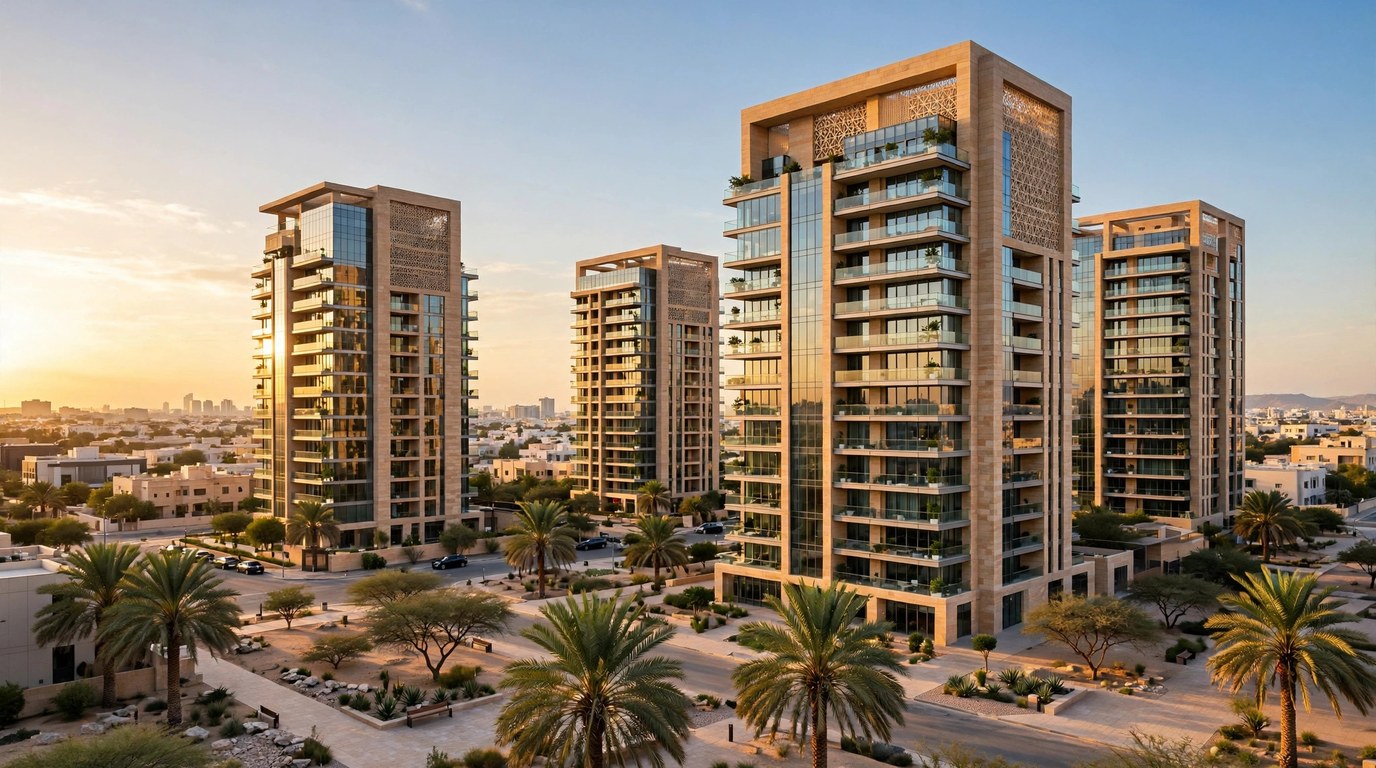
Figure 1: Residential towers in Riyadh. Rents for homes like these, and for commercial units in the city, are frozen at their agreed level until 25 September 2030.
Rent stays fixed during your contract
The Ejar unified contract sets one rental value for the full term. A landlord who wants more money mid-term has no route inside the contract: no clause in a unified contract lets either side reopen the price before the end date. This holds in every Saudi city, for homes and for commercial units, freeze or no freeze. If a rise is demanded during the term, the contract you signed is the whole argument. The agreed rent is what you owe until the contract ends.
Pressure usually arrives dressed as something else: a "market adjustment", a new charge added to the rent, or a suggestion that you sign a replacement contract at a higher figure. Treat each one as an increase and answer it the same way, in writing, pointing at the contract term. Signing a replacement contract mid-term gives up the fixed rent you already hold.
The Riyadh freeze: five years, both contract types, renewals included
On 25 September 2025, regulatory provisions approved by the Council of Ministers and a Royal Decree suspended annual increases in the total rental value of residential and commercial lease contracts inside Riyadh's urban boundary. REGA announced the package after a year of sharp rises: official statistics for the second quarter of 2025 showed villa rents in the capital up 13.9% in twelve months and apartment rents up 6.9%. The suspension runs for five years, to 25 September 2030.
The scope matters, because landlords test the edges of it. The freeze covers contracts that already existed on 25 September 2025 and contracts signed after that date. It covers renewal increases, so a landlord cannot wait for your end date and raise the rent then. It covers a change of tenant too: a vacant unit that was rented before goes back to the market at the rent in its last Ejar contract. Only a unit rented for the first time takes its price from agreement between landlord and tenant, and that agreed price becomes the level the freeze holds for the rest of the period.
REGA can extend the same provisions to other cities with further approvals; as of October 2026 no other city has been added. Early results suggest the freeze is biting: REGA's chief executive told a legal conference in September 2026 that rent had fallen to about 15% of household income in Riyadh, down from more than 17.5% a year earlier.

Figure 2: Your Ejar contract is the record that decides a rent dispute. The registered rent is the figure REGA checks first.
Outside Riyadh: an increase needs your agreement, requested 90 days ahead
Cities outside Riyadh have no freeze and no fixed percentage cap. Control sits in the process. A landlord who wants a higher rent at renewal submits a change request through Ejar at least 90 days before the contract ends. You receive the request and choose: accept, and the contract renews at the new rent; decline, and the contract does not renew at that figure, so you agree different terms or leave at the end date. A landlord cannot set a new rent alone, and a renewal letter that simply announces one has no standing without your acceptance through the platform.
The default at the end of an Ejar contract is renewal on the same terms. If neither side requests a change and neither side serves notice, the contract rolls over at the existing rent. Either side can stop the roll-over with a notice of non-renewal at least 60 days before the end date. Mark two dates when you sign any Saudi lease: end date minus 90 days, the last day a change request can arrive, and end date minus 60 days, the last day to stop automatic renewal.
Refusing renewal in Riyadh: three grounds only
A Riyadh tenant who wants to stay, and who pays on time, is hard to move during the freeze. REGA's provisions let a landlord refuse renewal on three grounds: the tenant has not paid; the property has a structural defect that affects its safety; or the landlord needs the unit for personal use, or for a first-degree relative such as a parent, spouse or child. The personal-use ground carries a long notice period of at least 365 days. A notice that arrives later than that still works, and the tenancy then runs until a full year has passed from the day the tenant was told.
Wanting a higher rent from someone else is absent from the list, on purpose. Keep any refusal in writing: the stated ground, and the date you received it, decide whether it stands.
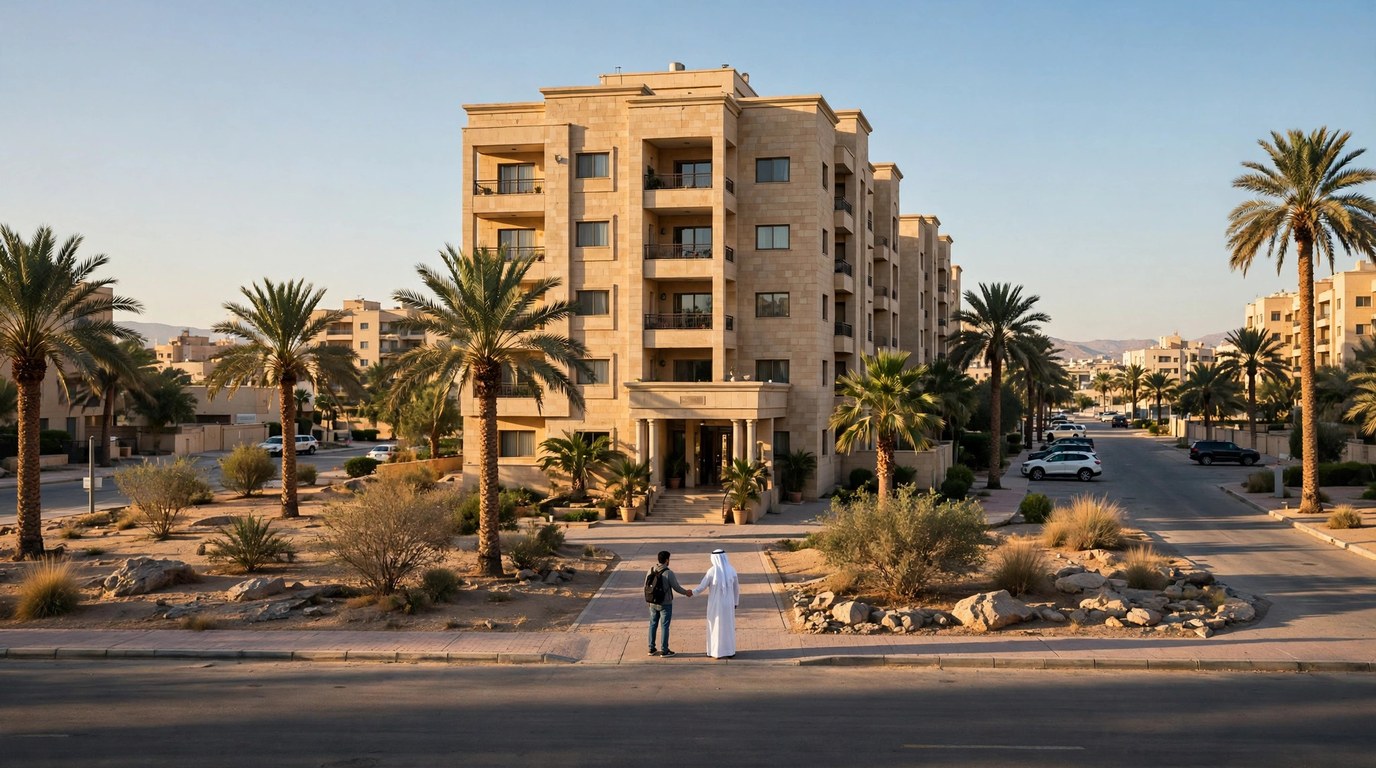
Figure 3: Most rent disagreements settle once both sides work from the same published rules and the same Ejar record.
You received an increase notice. Do this, in this order.
1. Check the contract on Ejar. Confirm the registered rent, the end date and the city. Those three facts decide which rule applies, and the checker at the top of this page runs them for you.
2. Reply in writing, briefly. State that the rent in your Ejar contract is fixed for the term, or, in Riyadh, that increases are suspended until 25 September 2030 under the provisions REGA published in September 2025. Ask for any change request to come through Ejar. A calm written reply ends most of these conversations.
3. Keep paying the agreed rent, on time, through the recorded channel. Paying the contract rent keeps your record clean and keeps the renewal-refusal grounds out of reach. Paying the increased figure without protest can be read as acceptance of new terms.
4. Save everything. The renewal letter, the WhatsApp messages, the broker's emails, the dates. A paper trail is what settles the case if it goes further.
5. Escalate to REGA. If the landlord charges above the frozen rent or refuses renewal outside the three grounds, file through REGA's official channels. Breaching the Riyadh provisions can be fined up to the value of 12 months' rent, with compensation added, and an increase charged against the freeze gets reversed through that process.
Questions tenants ask about Saudi rent increases
My landlord says market rent has gone up 20%. Do I have to match it?
Market movement changes nothing inside a running contract: your rent is the figure in the Ejar contract until the end date. In Riyadh the freeze holds that figure at renewal as well, until 25 September 2030. Outside Riyadh, a higher rent at renewal needs a change request through Ejar at least 90 days before the end date and your acceptance.
Does the Riyadh freeze cover shops and offices?
Yes. REGA's provisions suspend annual increases for residential and commercial contracts alike, inside Riyadh's urban boundary, for existing and new contracts. A shop, office or showroom on an Ejar contract in Riyadh is frozen on the same terms as an apartment.
I signed my Riyadh lease in 2026. Am I covered?
Yes. The suspension applies to contracts signed after 25 September 2025 as well as older ones. The rent you agreed at signing is your frozen level, and it stays in place at each renewal until the freeze ends in September 2030.
What if my contract was never registered on Ejar?
Get it registered. The protections in this guide are anchored to the registered contract: the recorded rent sets the frozen level for a Riyadh unit, and an unregistered lease is hard to enforce in a dispute. Registration can be started by either side on the Ejar platform, and the other side gets a window to review the details.
Can a landlord raise the rent after doing renovations?
Renovations give a Riyadh landlord a route to object to a set rental value in defined cases, such as major work that changes the property's value, and older contracts signed before 2024 have their own objection route. An objection goes through REGA's process; it does not let a landlord set a new rent unilaterally, and it never applies mid-contract.
Run your own dates through the Saudi Rent Increase & Renewal Rules Checker before you reply to any increase notice. It applies the mid-contract rule, the Riyadh freeze and the 90-day and 60-day deadlines to your contract and shows each step of the reasoning. This guide is general information about the published rules, checked against REGA's September 2025 announcement in October 2026, and it is not legal advice. For a live dispute, confirm your position on Ejar or with REGA directly.


Was this article helpful?
Comments
Loading comments...